
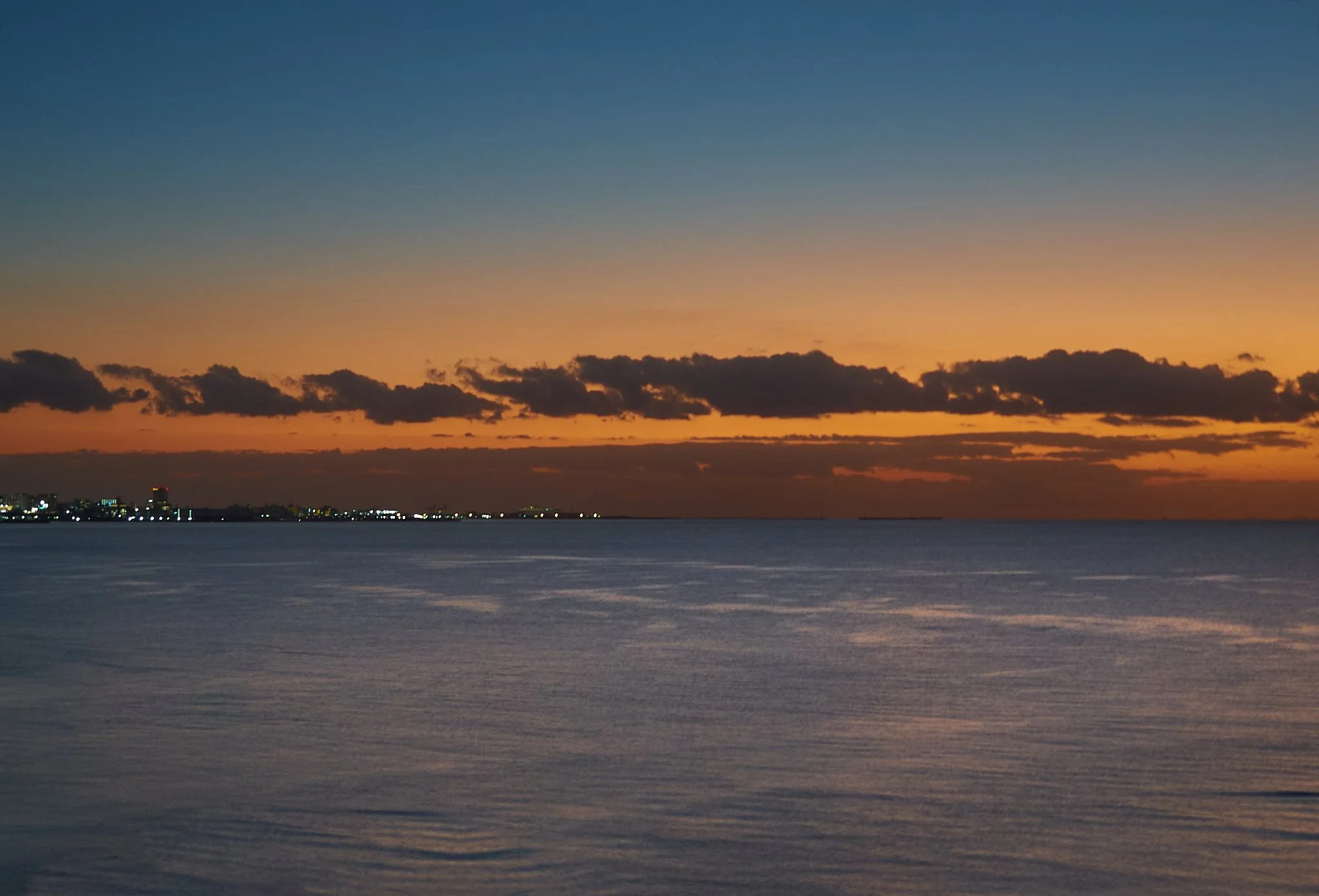
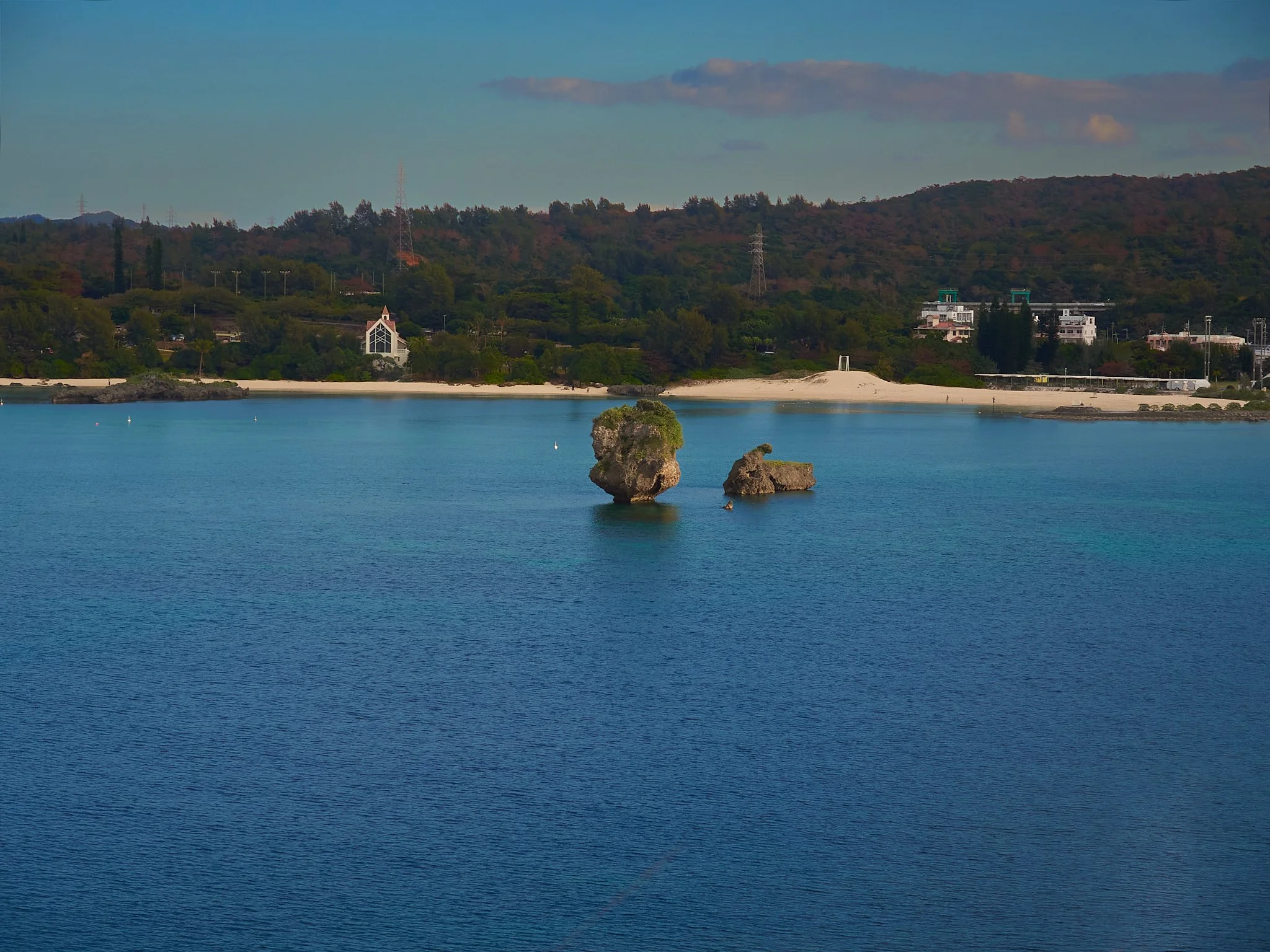
Chatan is a vibrant town in Okinawa’s Nakagami District, covering 13.62 square kilometres with a lively population of nearly 29,000. Known for its unique blend of Japanese culture and American influence—over half its land is occupied by US military bases—Chatan offers visitors a fascinating mix of local life, international flavours, and plenty of space to explore.
Discover Cape Manzamo, Okinawa’s iconic cliff near Onna Village, where breathtaking coastal views await. Inspired by an ancient king’s remark that its grassy top could seat 10,000 people, the cape’s name reflects its grandeur
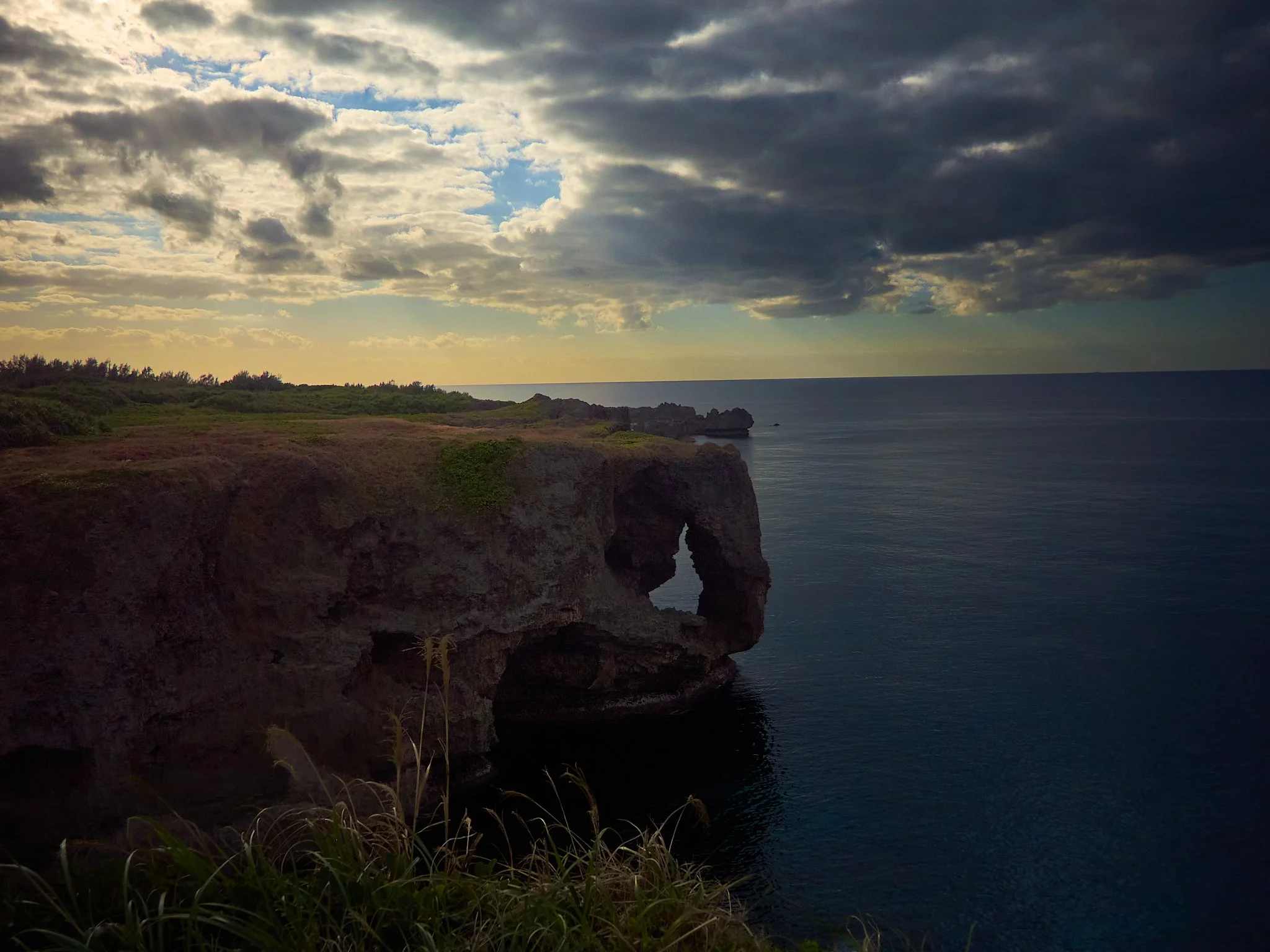
Discover Cape Manzamo, Okinawa’s iconic cliff near Onna Village, where breathtaking coastal views await. Inspired by an ancient king’s remark that its grassy top could seat 10,000 people, the cape’s name reflects its grandeur and welcoming spirit. Whether you’re snappi
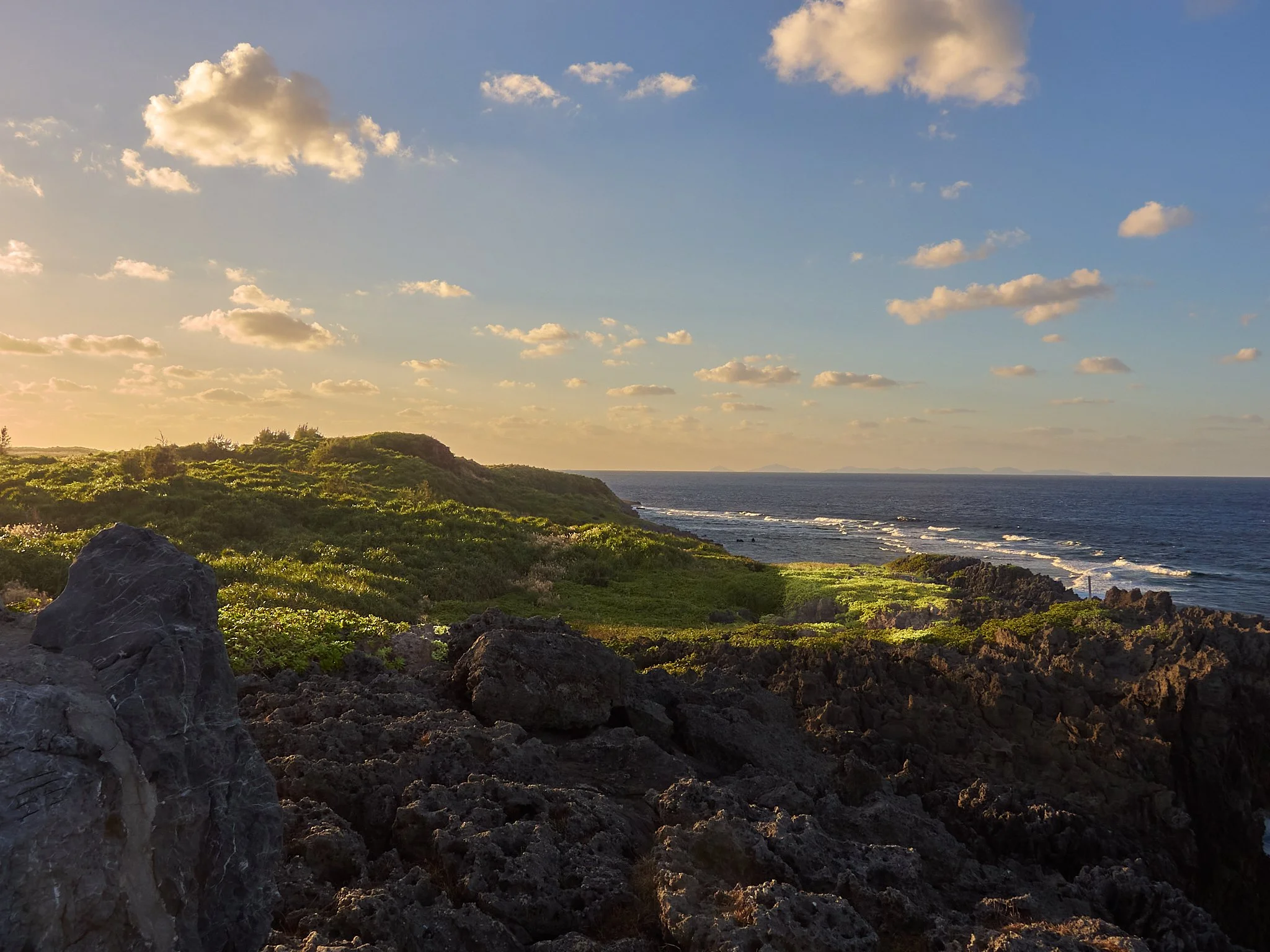
Experience the stunning Cape Hedo, Okinawa’s northernmost point in Kunigami Village. The cape’s dramatic cliffs offer sweeping views where the East China Sea meets the Pacific Ocean. Whether you’re seeking adventure, scenic walks, or peaceful moments, Cape Hedo’s breathtaking vistas and rich history make it a must-visit highlight of northern Okinawa.
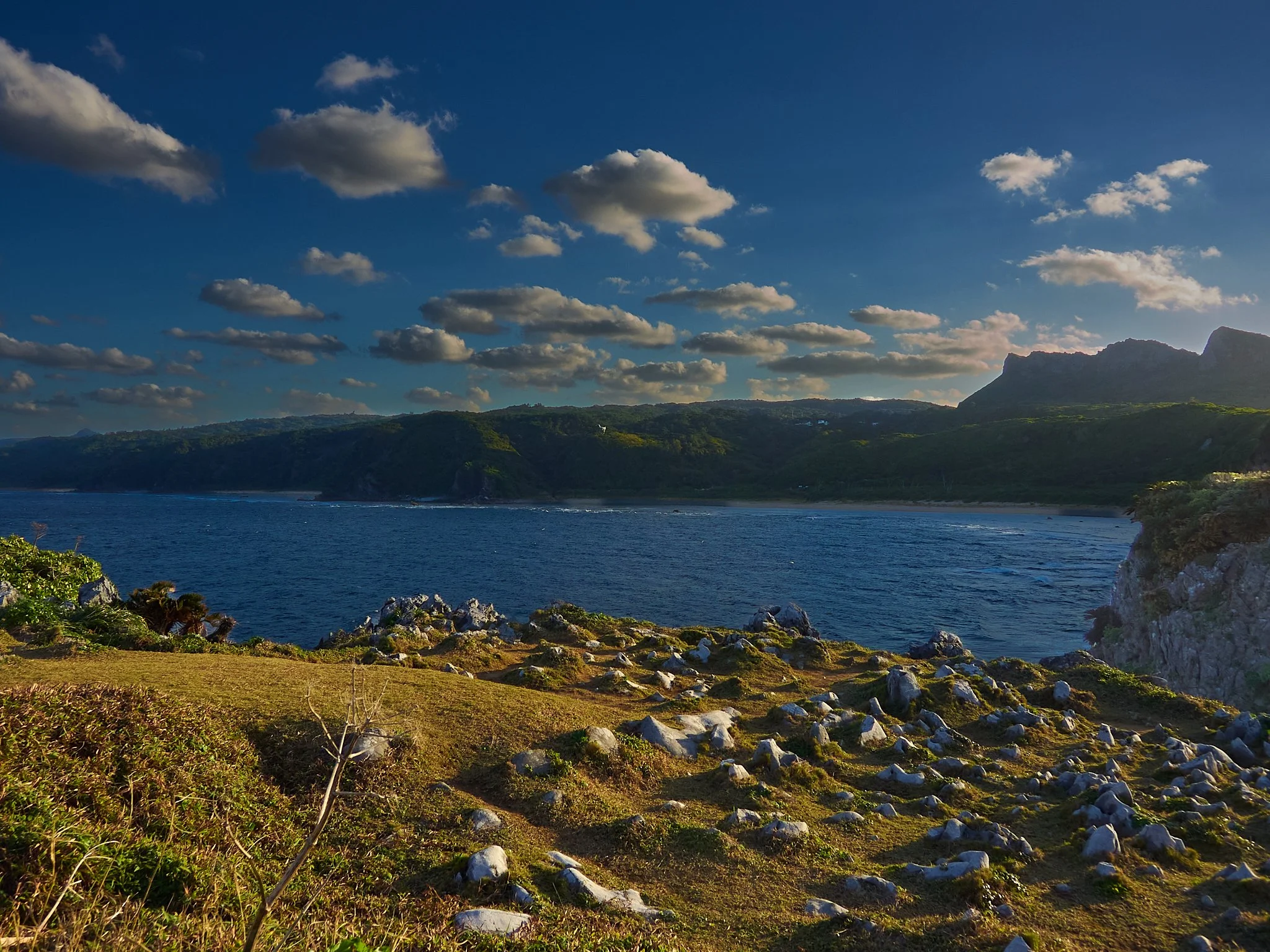
Experience the stunning Cape Hedo, Okinawa’s northernmost point in Kunigami Village. The cape’s dramatic cliffs offer sweeping views where the East China Sea meets the Pacific Ocean. Whether you’re seeking adventure, scenic walks, or peaceful moments, Cape Hedo’s breathtaking vistas and rich history make it a must-visit highlight of northern Okinawa.
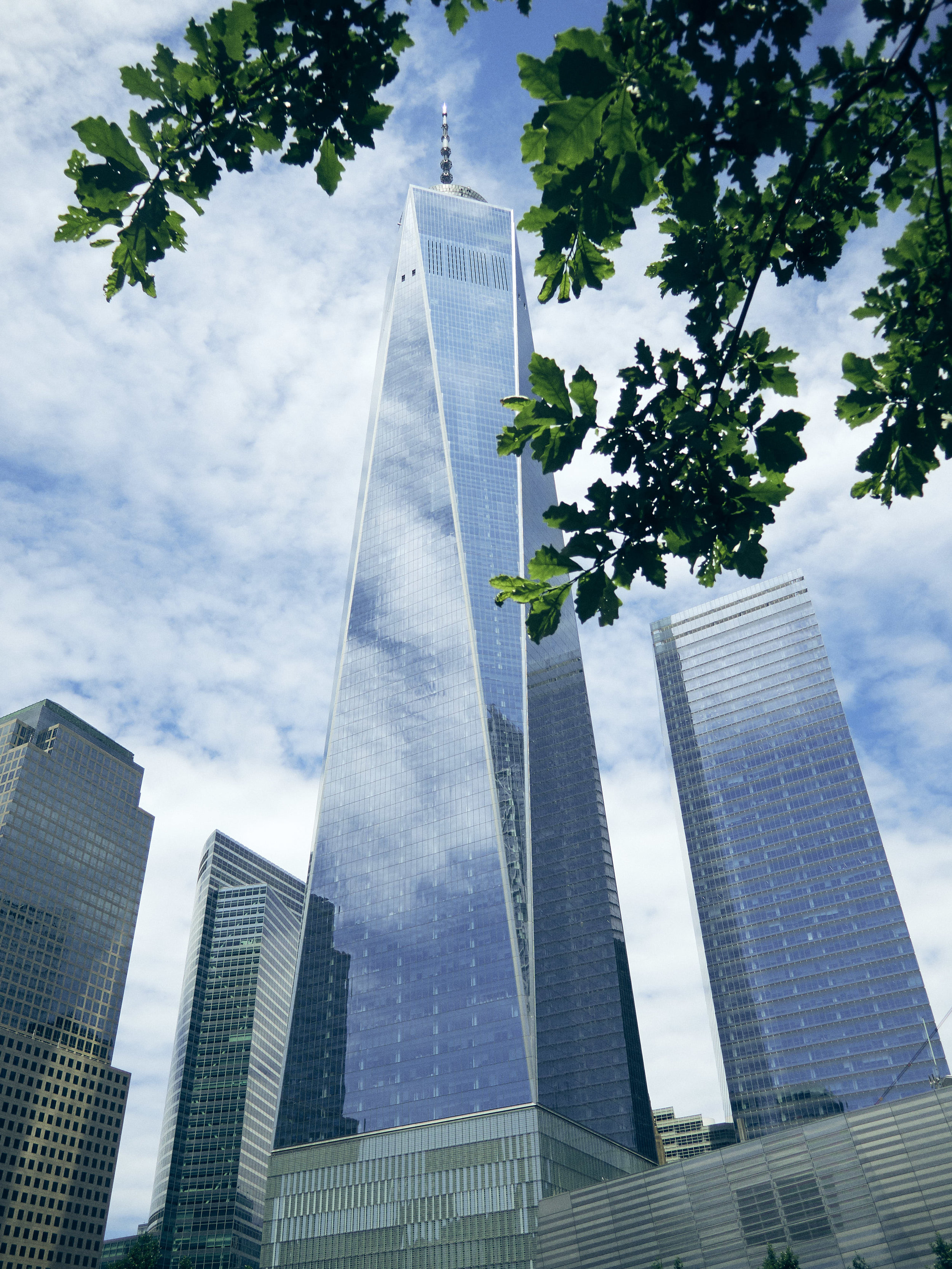
One World Trade Centre, often referred to as One WTC serves as the centrepiece of the reconstructed World Trade Center complex located in Lower Manhattan, New York City.
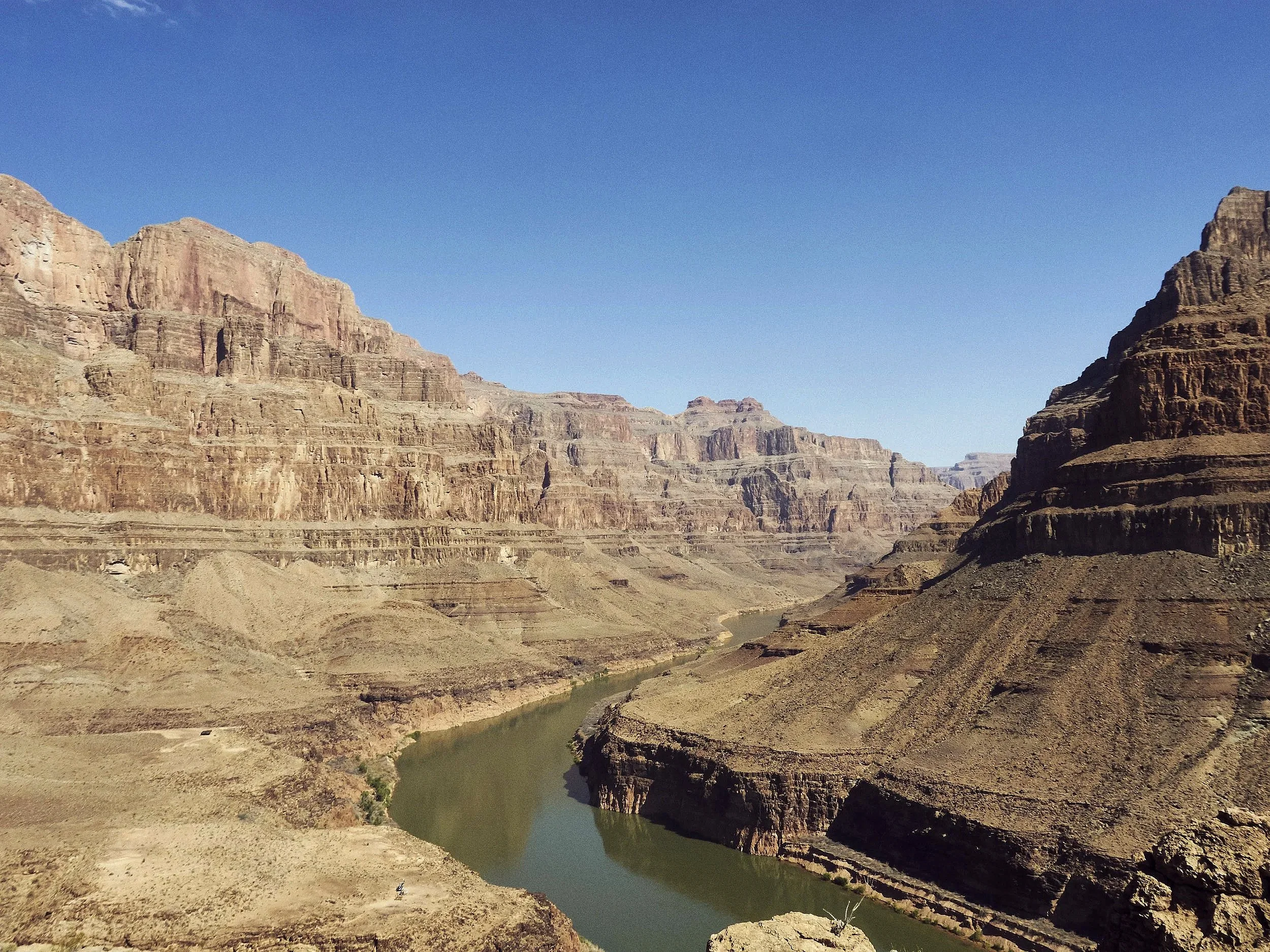
Carved by the Colorado River, stretches 277 miles and plunges over a mile deep. Its layered rocks reveal millions of years of Earth's history, with notable colours like red Kaibab Limestone and purple Bright Angel Shale. The canyon’s cliffs and formations illustrate erosion and natural landscape-shaping forces.
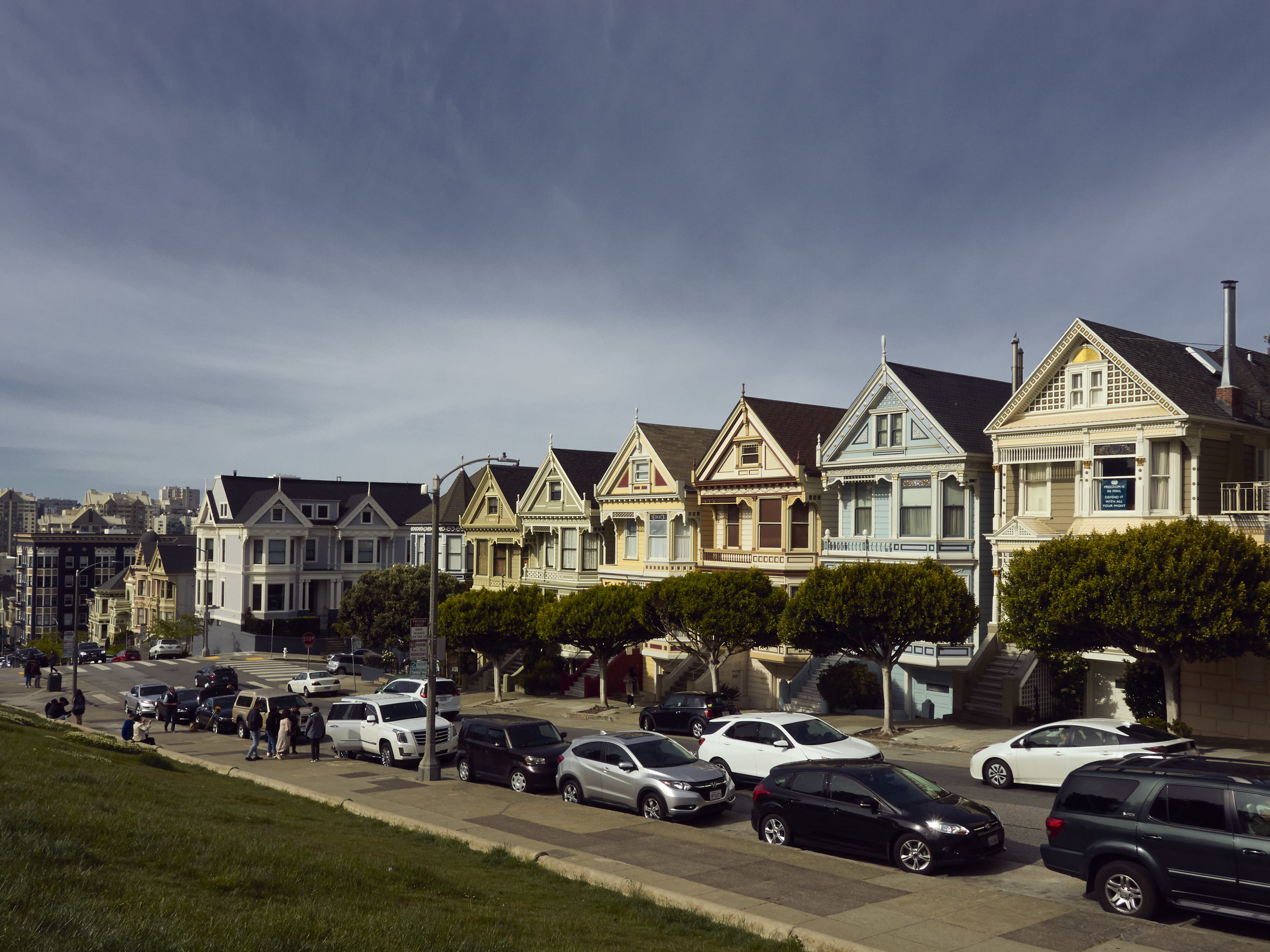
A row of pastel Victorian houses on Steiner Street beside Alamo Square Park, are among San Francisco’s most photographed landmarks. Known as "postcard row," they showcase the city’s architectural history with modern downtown as a backdrop. These homes are still privately owned and inhabited.

Pileh Lagoon is a remarkable and secluded inlet located on Koh Phi Phi Leh in Krabi province, Thailand. It is renowned for its impressive limestone cliffs and calm, shallow, turquoise-green waters.
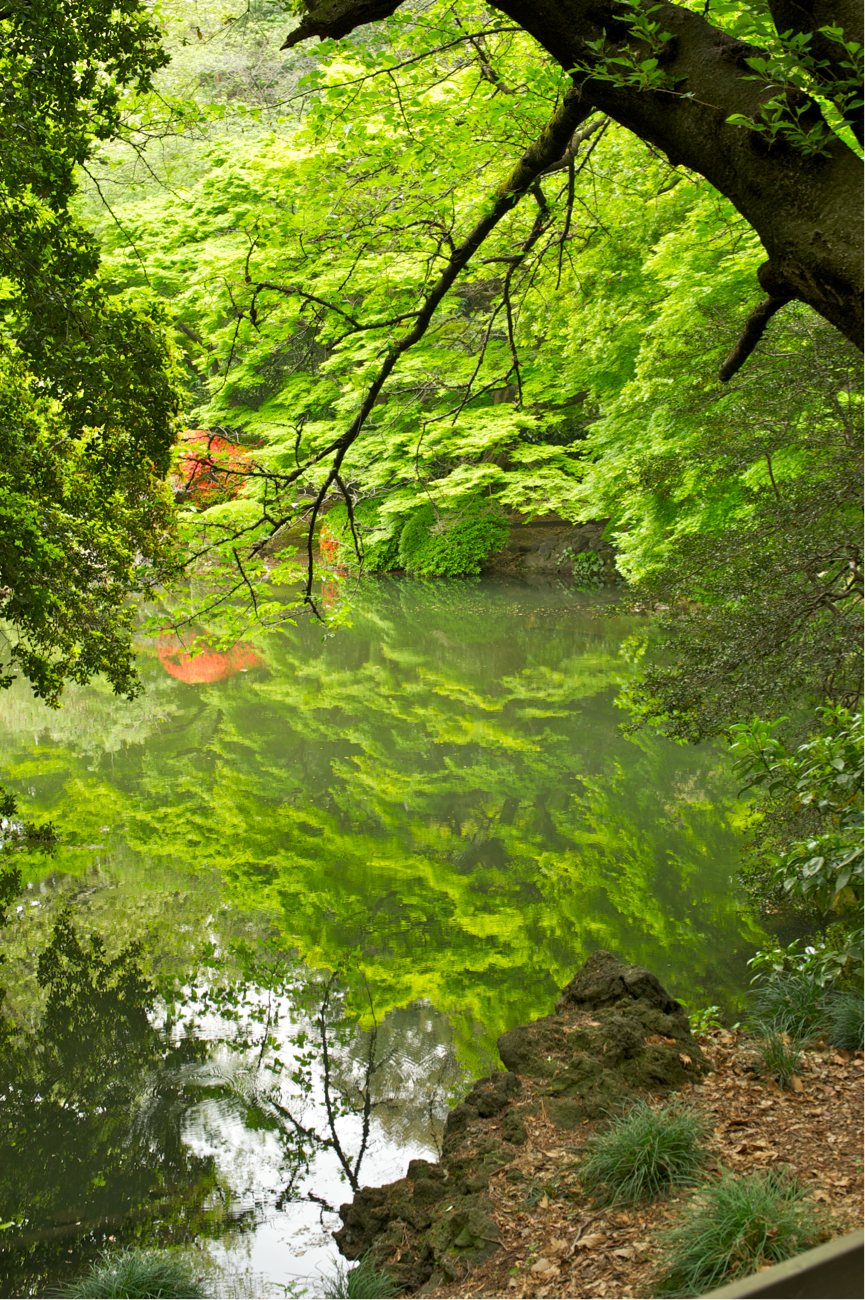
Originally the Naitō family residence in the Edo period, it later became an imperial garden and is now managed as a national garden by the Ministry of the Environment.
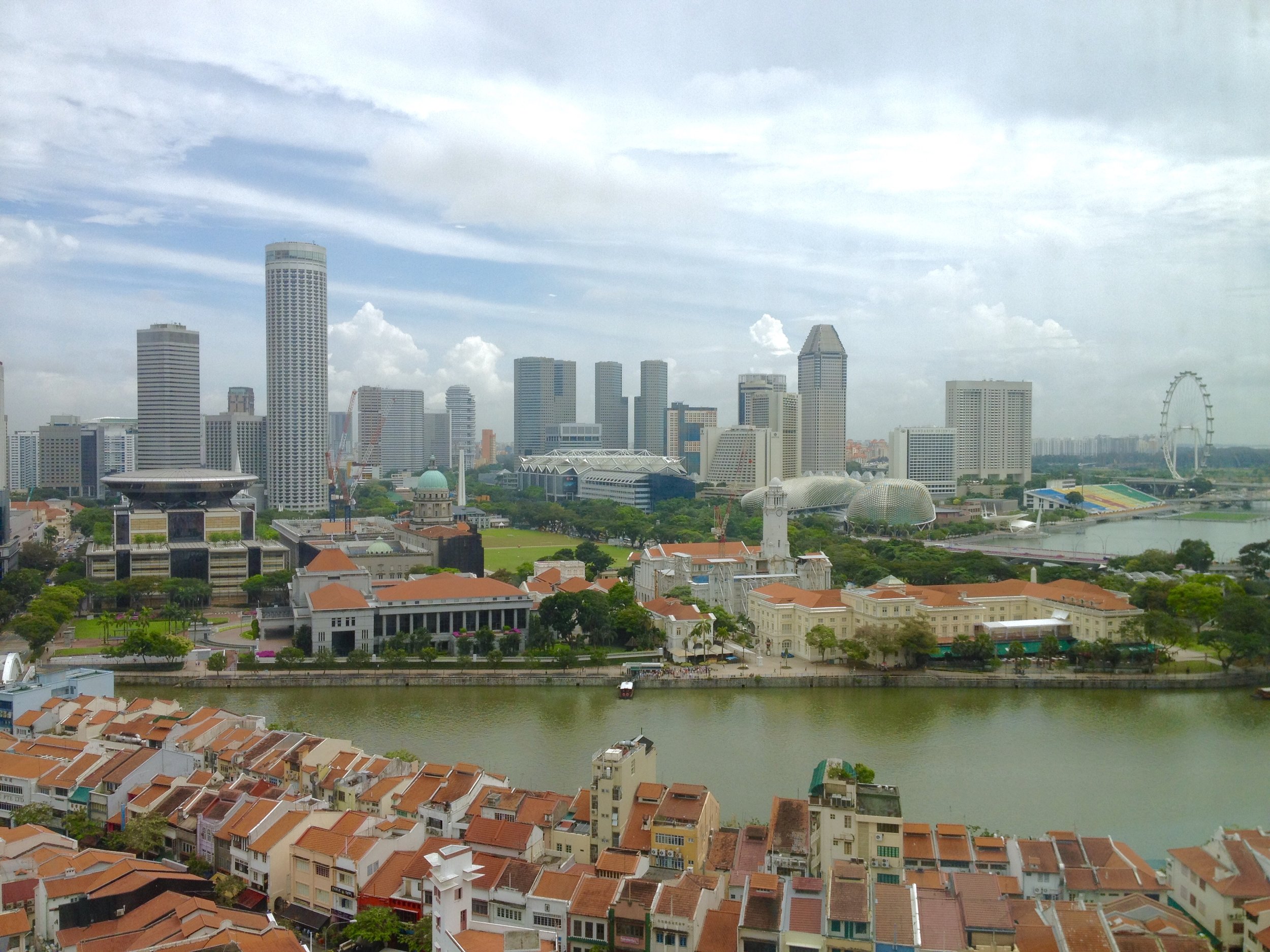
Officially the Republic of Singapore, is a city-state in Southeast Asia comprising one main island and 63 smaller islands. Located about one degree north of the equator, it sits just south of Malaysia and is bordered by the Strait of Malacca, Singapore Strait, South China Sea, and Straits of Johor.
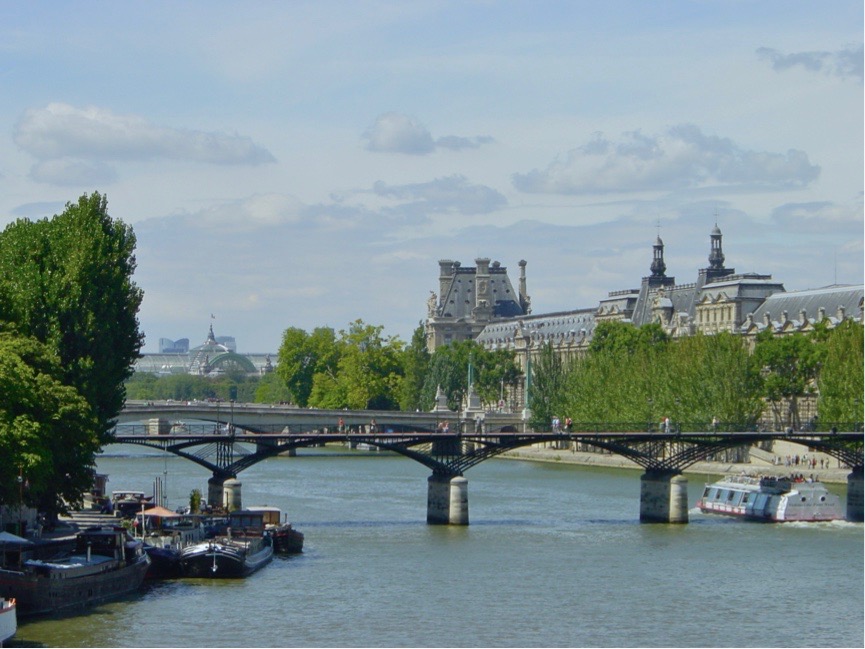
The Seine River divides Paris into the Right and Left Banks and passes notable sites like the Eiffel Tower, Louvre, and Notre Dame. Its banks, a UNESCO World Heritage Site, are known for scenic cruises and help define the city's character.
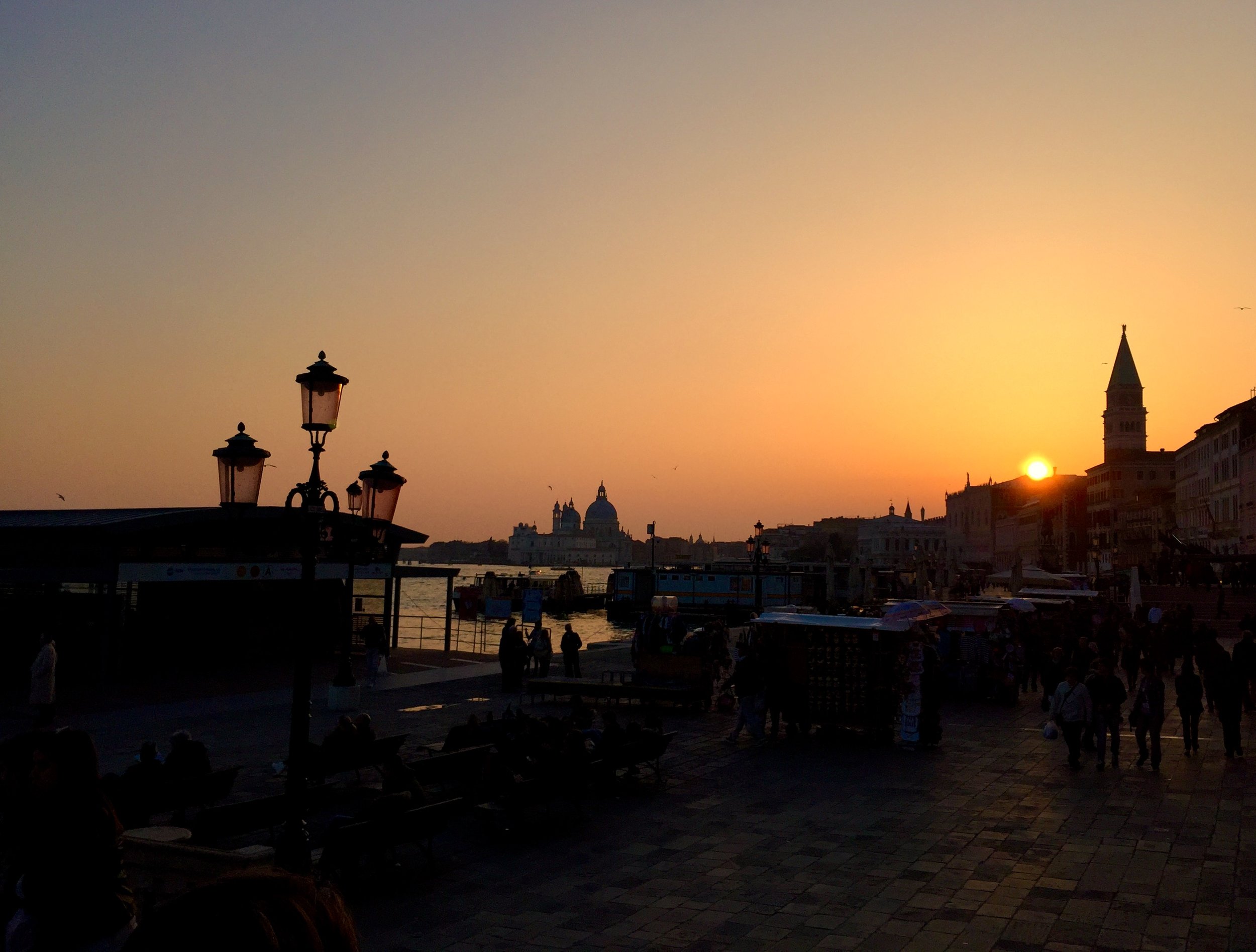
Piazza San Marco (Saint Mark's Square) in Venice, located in the San Marco district, dates to the 12th century and is surrounded by key landmarks. Nearby canals include Canal Grande, Rio del Palazzo, and Rio di San Moise. The square features elegant galleries, with Saint Mark's Basilica and the Campanile at one end, and the Doge's Palace visible near the basilica, stretching towards the Grand Canal.
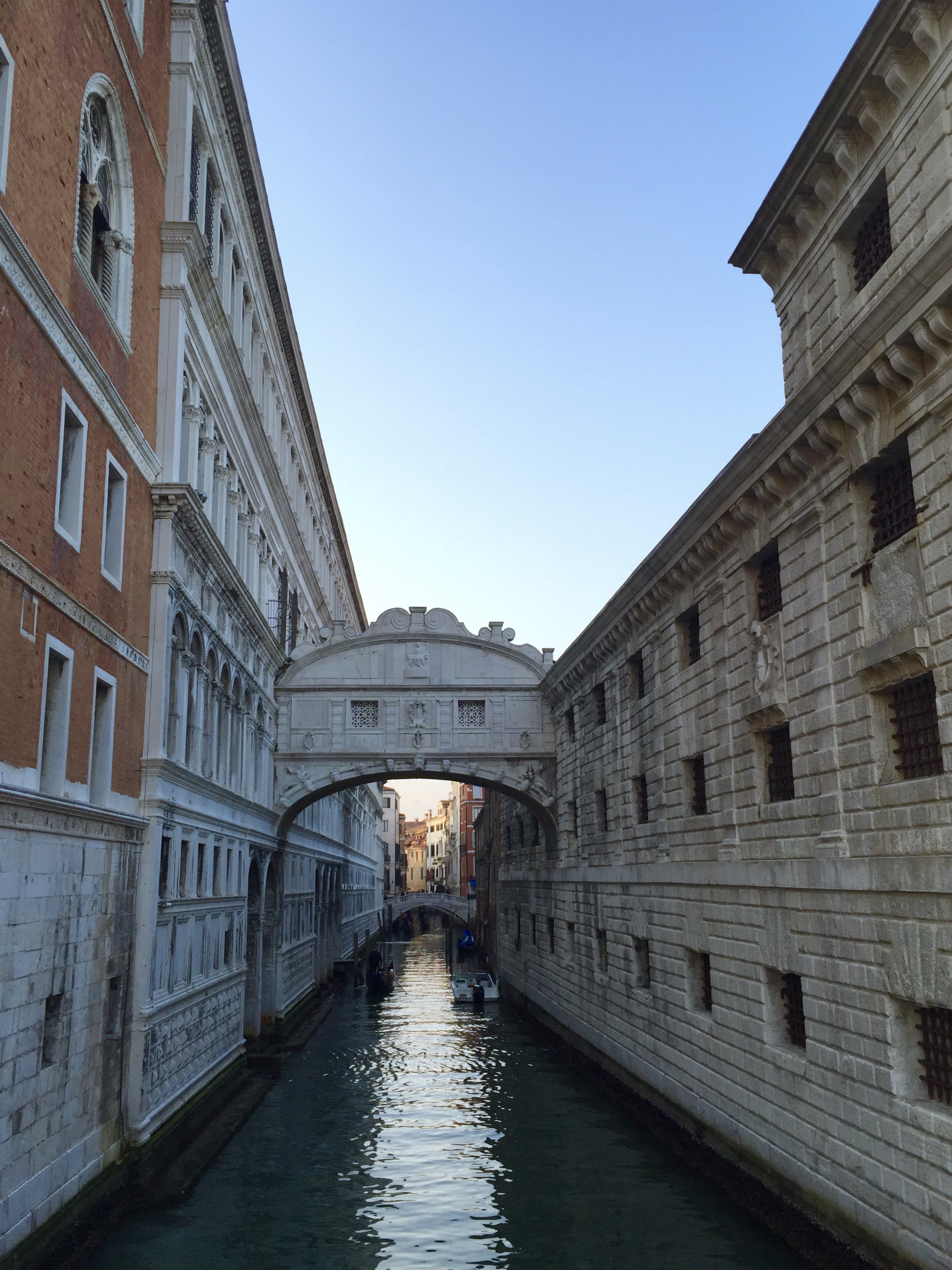
A 17th-century limestone bridge linking the Doge's Palace to the New Prisons over the Rio di Palazzo. Designed by Antonio Contino, it was used to move prisoners from trial to their cells. Its name comes from the legend that prisoners sighed at their last view of Venice before imprisonment.
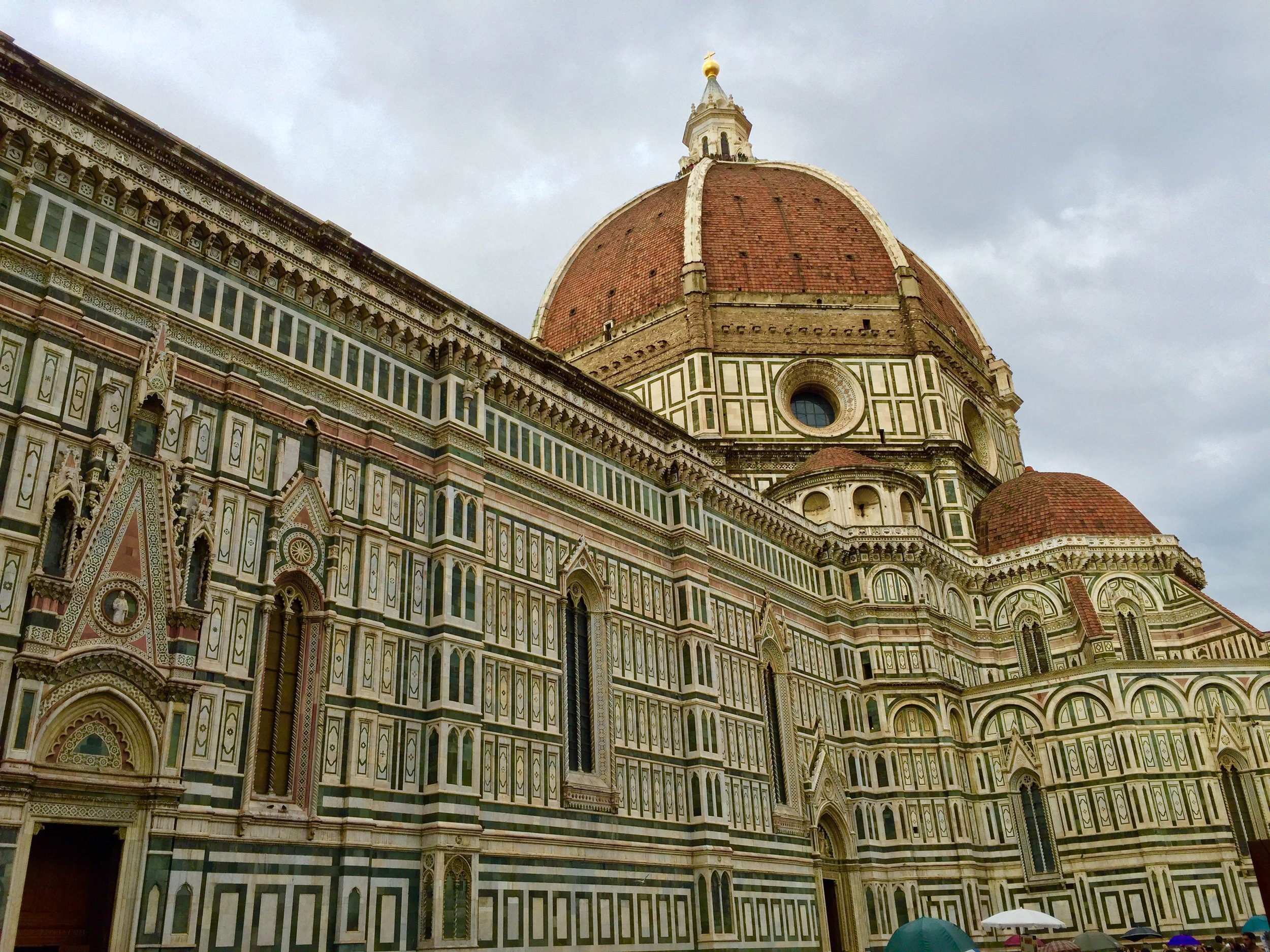
This is a 15th-century cathedral in Florence known for its Gothic-Renaissance style and Brunelleschi’s dome. A UNESCO World Heritage Site since 1982, it features green, white, and red marble on its exterior.
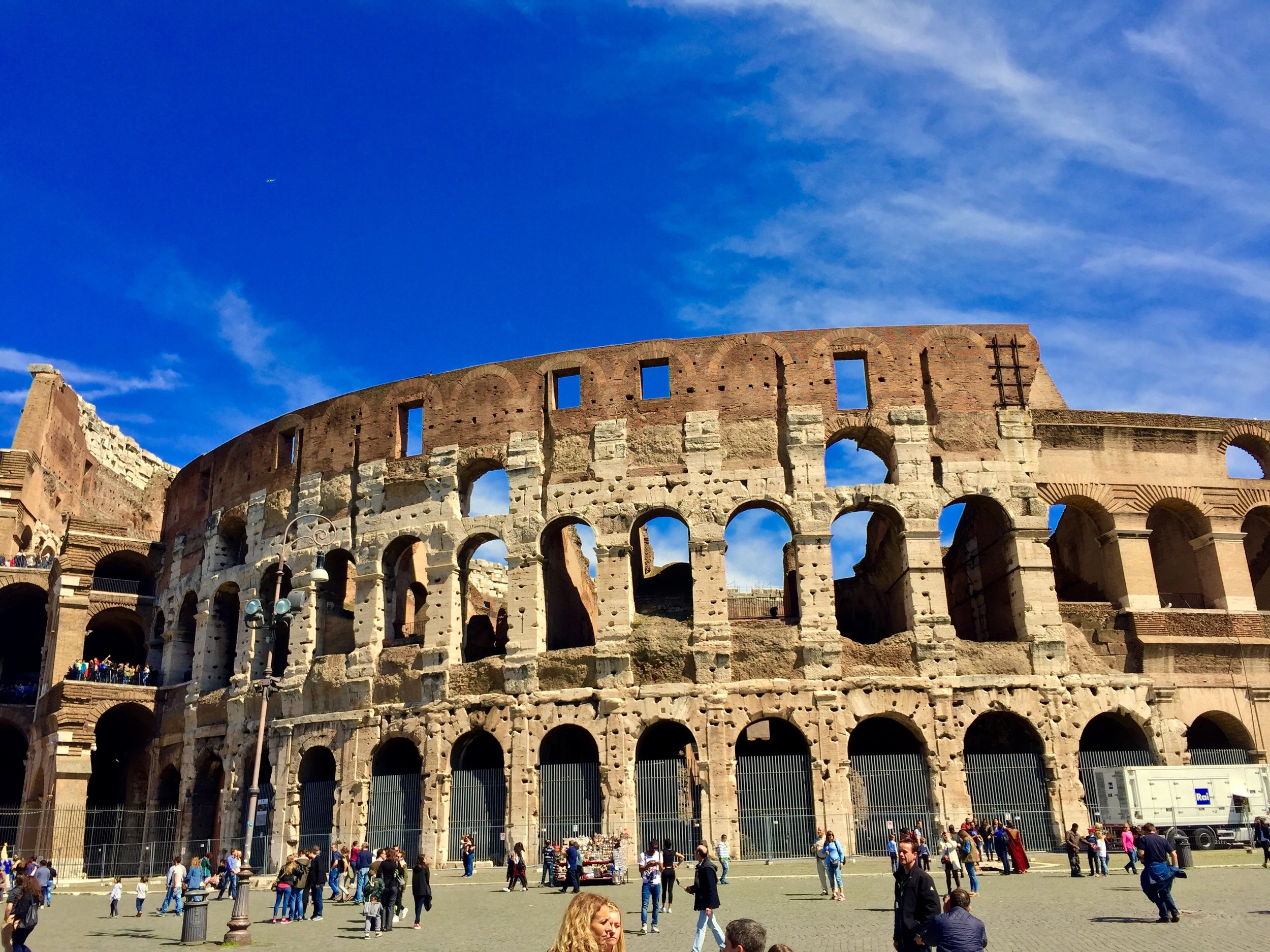
An elliptical amphitheatre located in central Rome, Italy, adjacent to the Roman Forum, represents the largest ancient amphitheatre constructed. It remains the world's largest standing amphitheatre to this day.
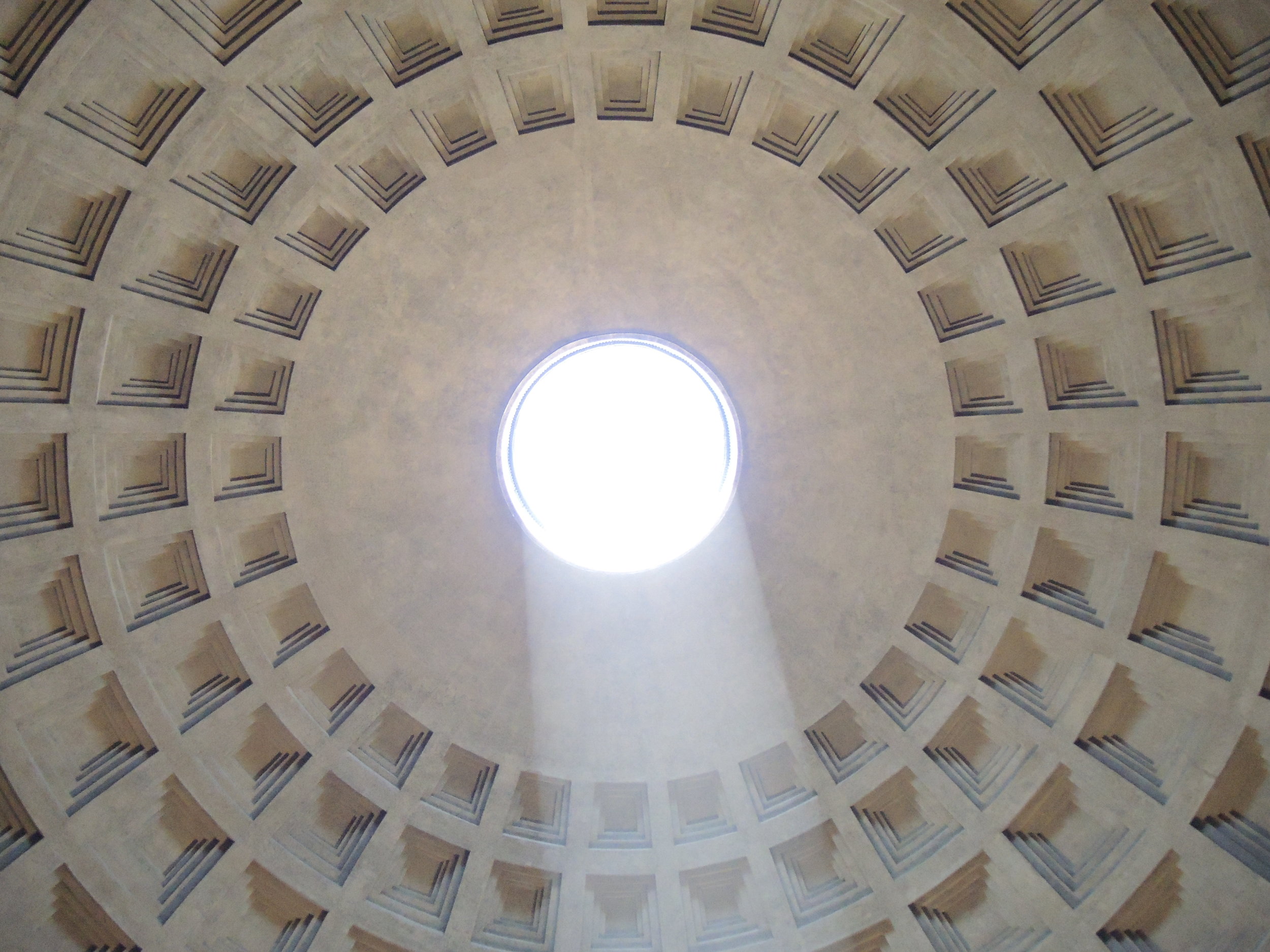
built in the 2nd century AD, is the best-preserved ancient Roman monument. Notable for its massive unreinforced concrete dome with a 9-meter oculus, it was converted into the Basilica of St. Mary and the Martyrs in 609 AD, ensuring its preservation.
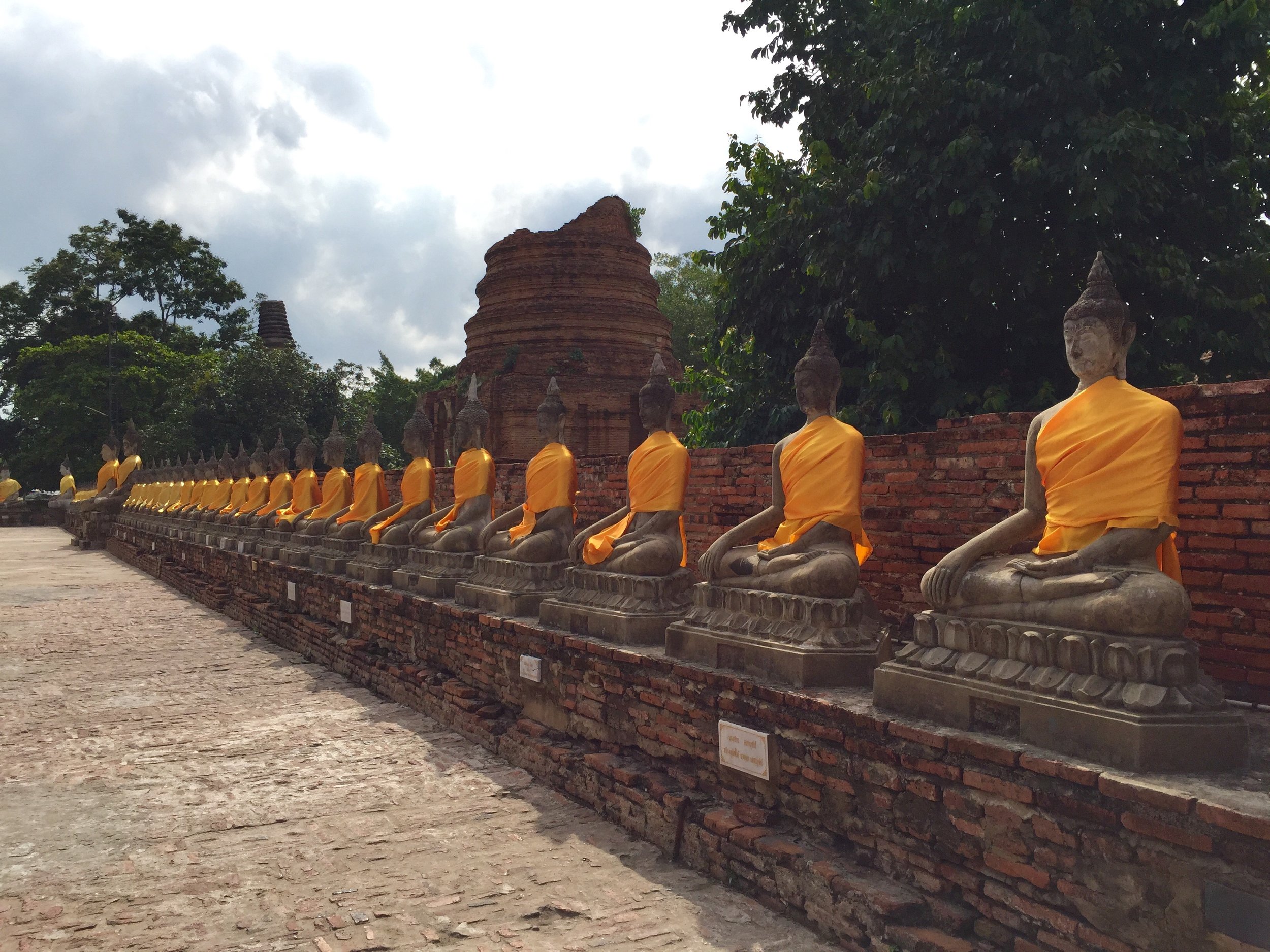
Wat Yai Chai Mongkol is a significant royal monastery in Ayutthaya, built by King Ramathibodi I in 1357 and initially called Wat Pa Kaew. Destroyed by the Burmese in 1766, it features a large central chedi constructed in 1592 by King Naresuan to commemorate his victory over the Burmese. The temple’s name means “Great Monastery of Auspicious Victory.”

The Golden Pavilion, or Kinkaku-ji, is Kyoto's famous Zen temple known for its top two stories covered in gold leaf and its picturesque pond reflection. Built in the late 14th century as Shogun Ashikaga Yoshimitsu's villa, it became a temple after his death and was rebuilt in 1955 following several fires.
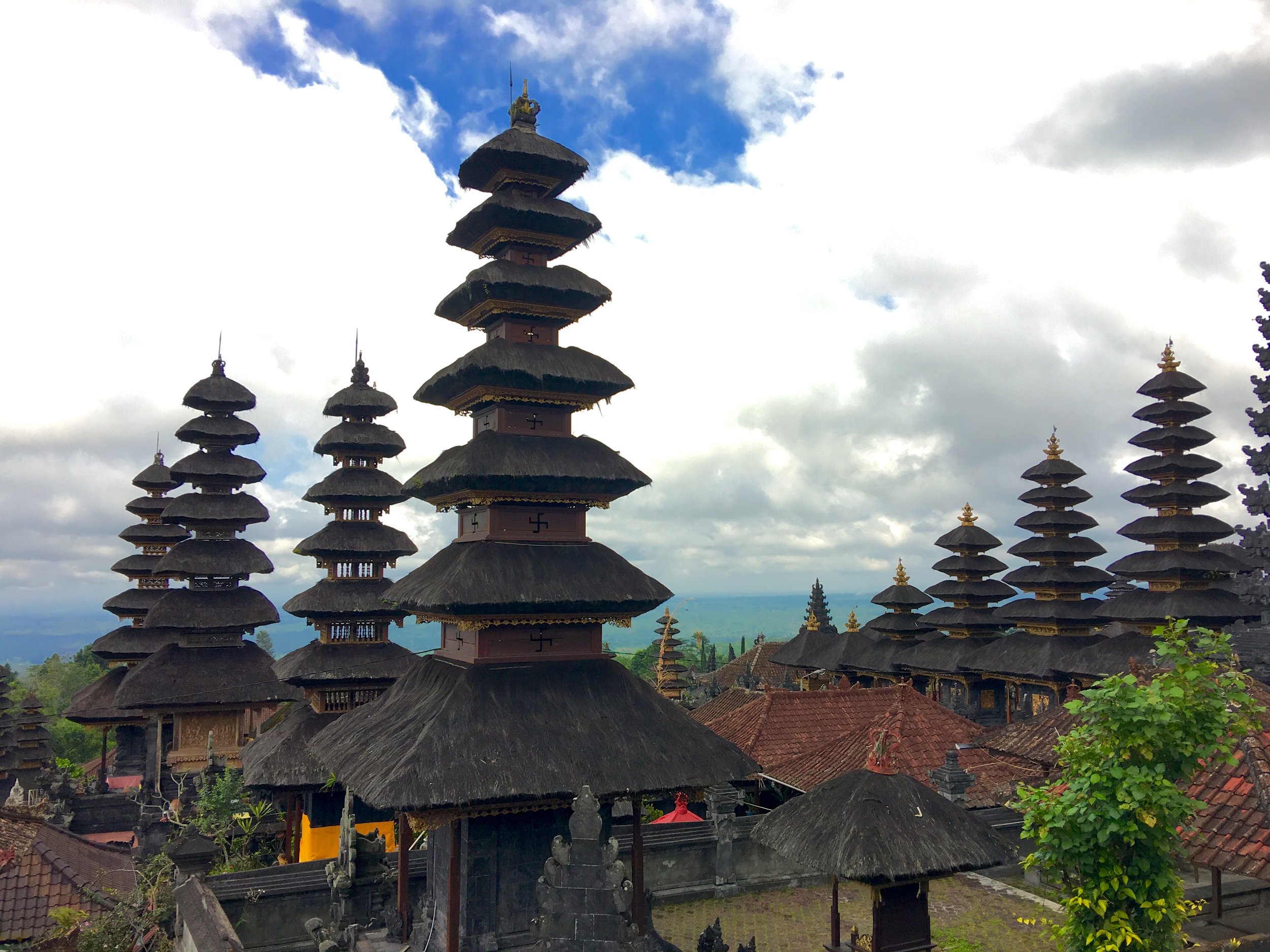
Pura Besakih, the "Mother Temple" on Mount Agung, is Bali's main temple complex with many multi-tiered pagodas. Other sites with multiple pagodas include Pura Ulun Danu Beratan, Pura Taman Ayun, and Pura Lempuyang Luhur.
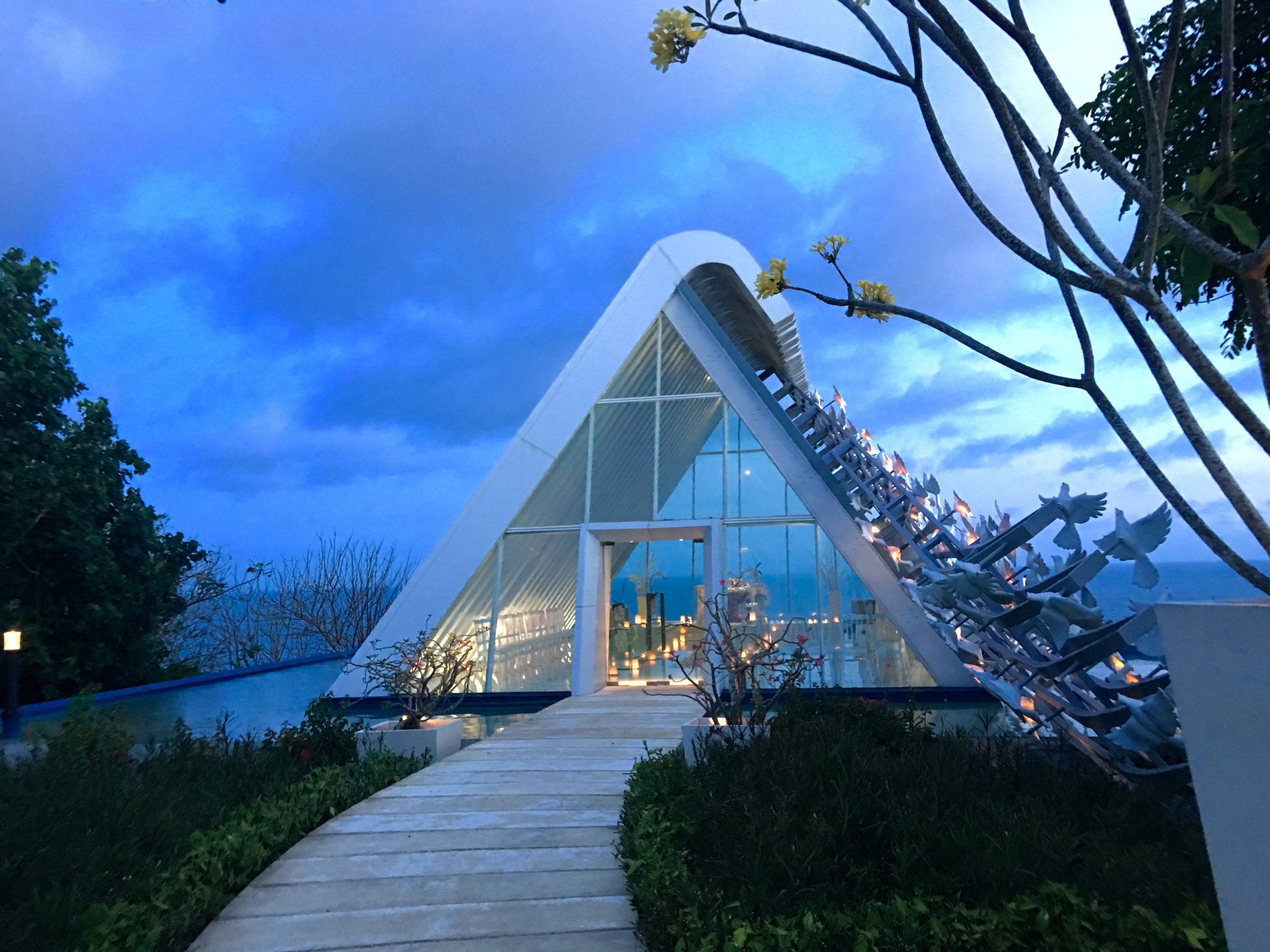
The chapel, located 70 meters above sea level near Uluwatu Temple in Bali’s Banyan Tree resort, features 300 white dove ornaments as symbols of peace. Its pyramid structure with glass doors and large windows offers sweeping views of the Indian Ocean and sunsets, along with access to nearby beaches and blue waters.
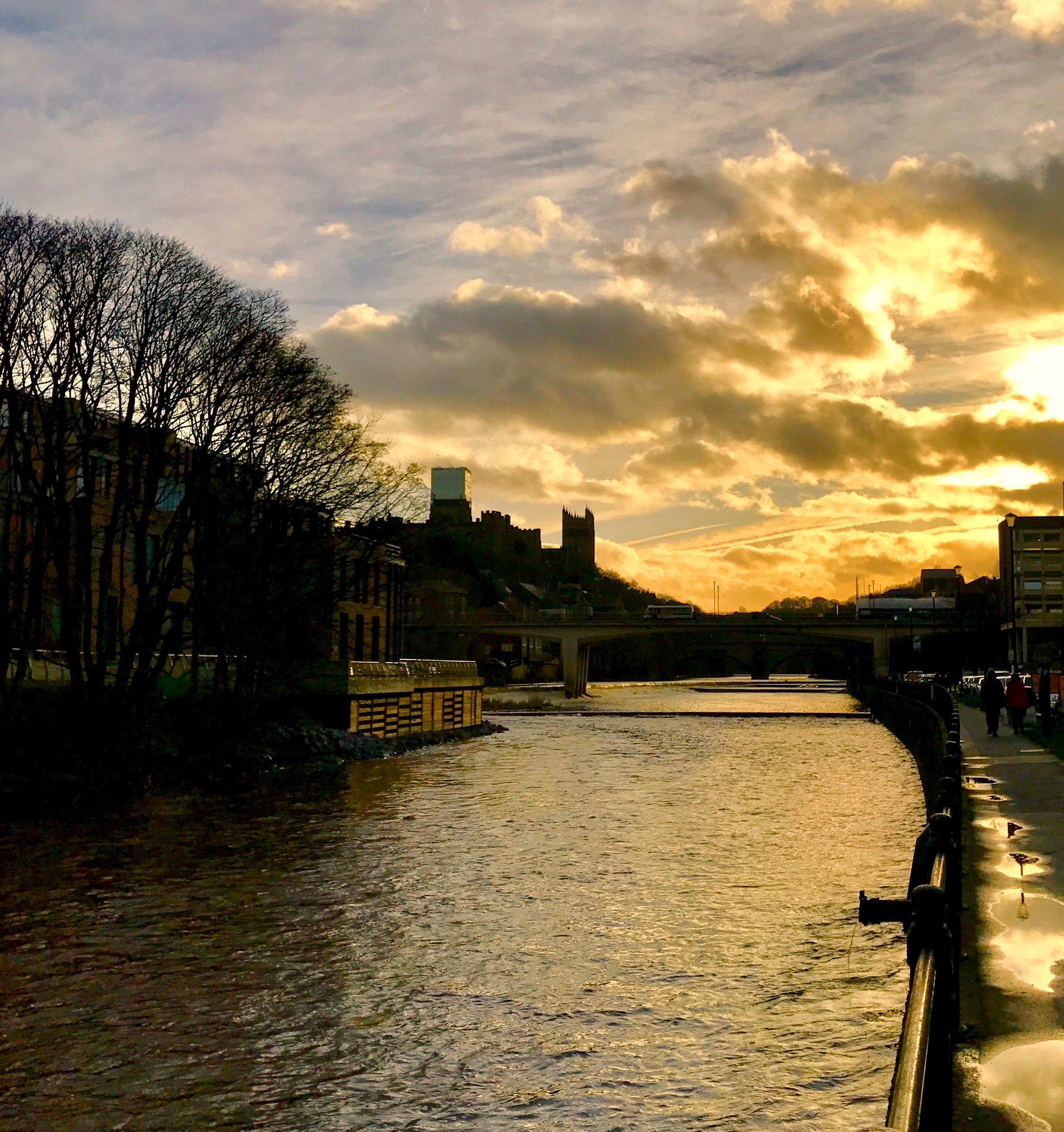
Durham, England, is internationally recognized for its remarkable 11th-century Durham Cathedral and the adjacent UNESCO World Heritage Site castle. As a historic university city established in 1832 and previously governed by the Prince Bishops, Durham is noted for its Romanesque architecture, rich medieval heritage, the scenic River Wear, and the annual Durham Miners' Gala.
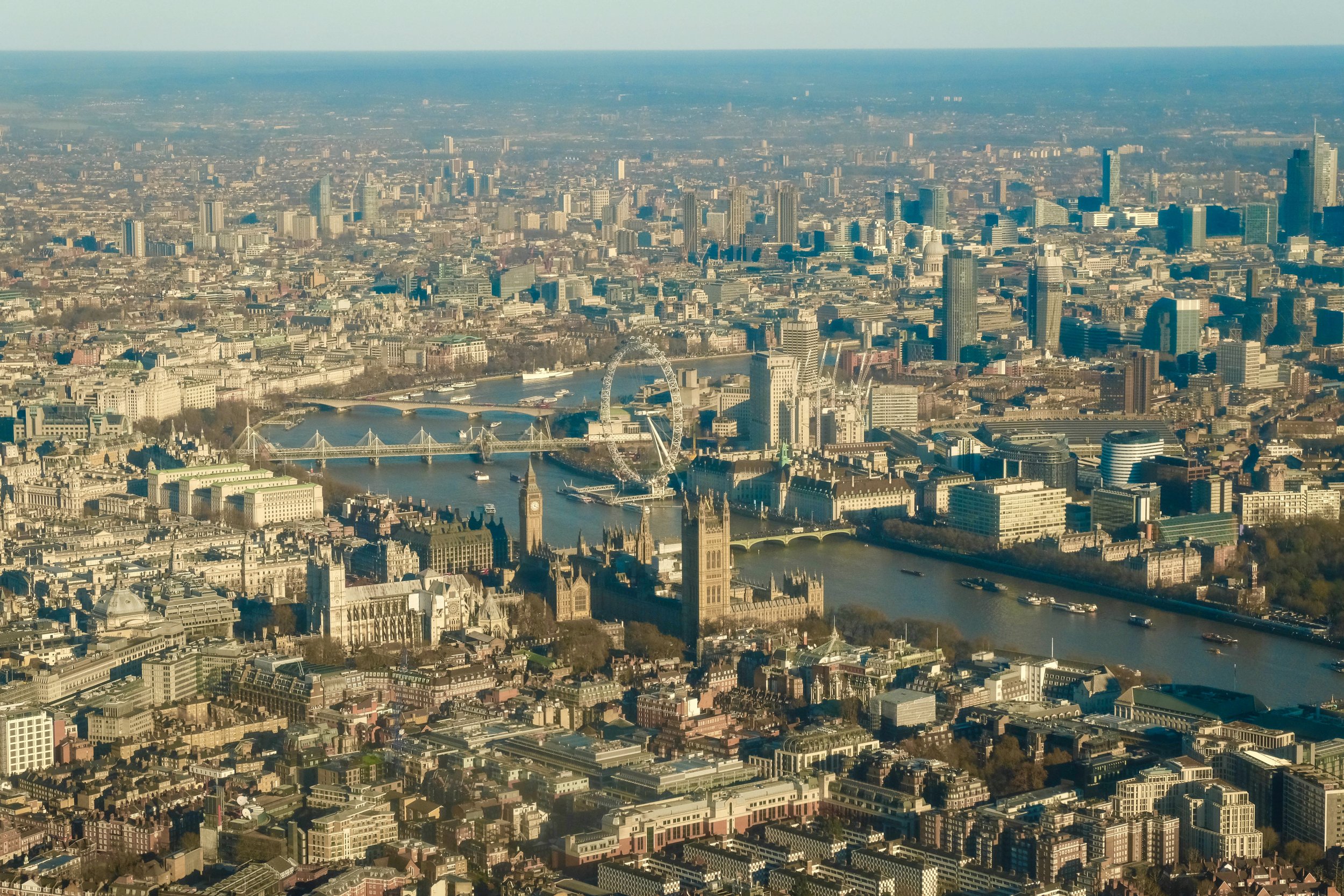
London is internationally recognized as a leading global centre for finance, history, culture, and fashion. The city is distinguished by iconic sites such as Big Ben, Buckingham Palace, and Tower Bridge, as well as its characteristic red buses, black taxis, and the historic Underground system. Additionally, London serves as a prominent location for renowned museums, theatre, the monarchy, and a variety of diverse neighbourhoods.
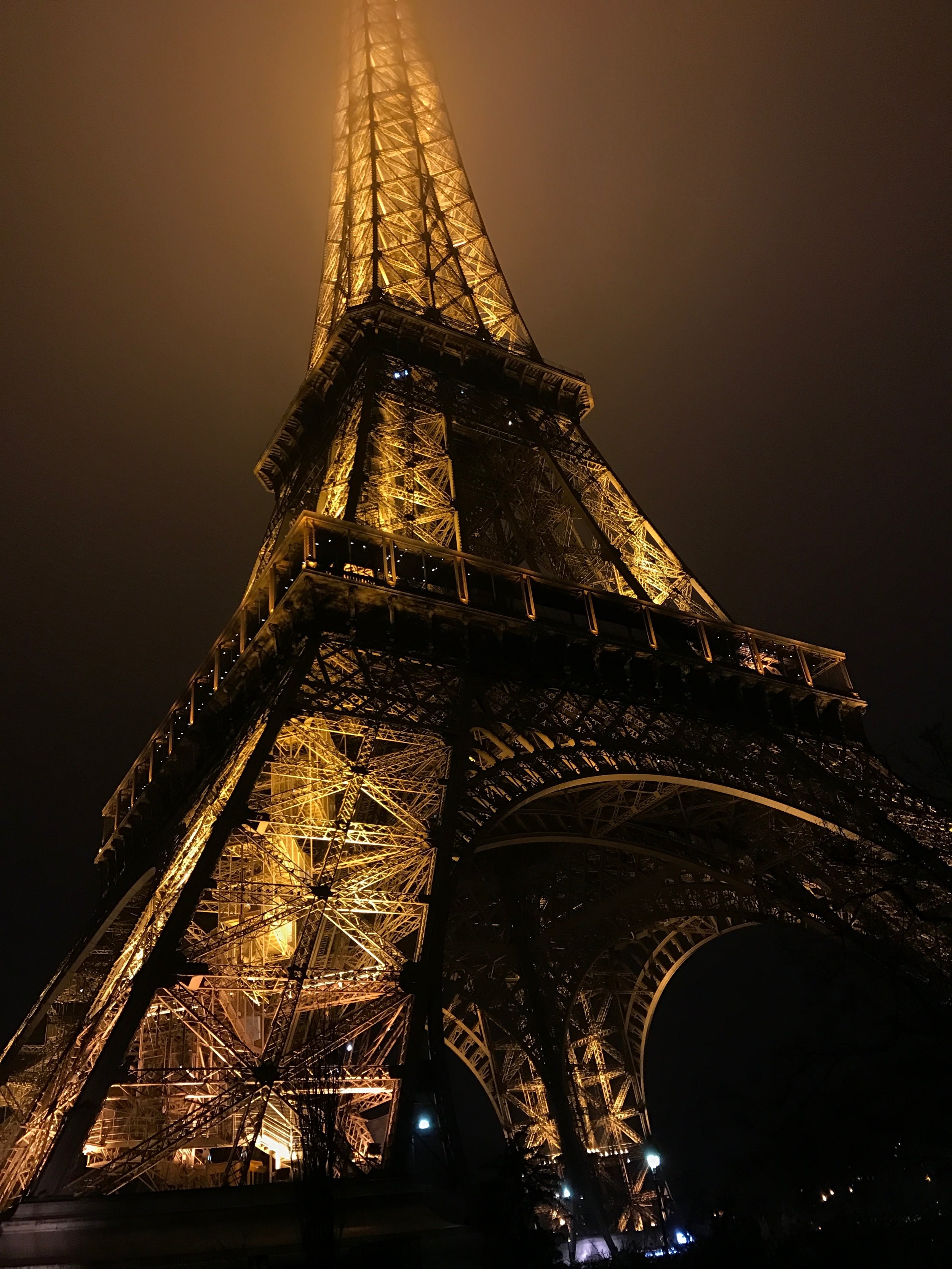
The Eiffel Tower is a lattice tower situated on the Champ de Mars in Paris, France. The structure is named after engineer Gustave Eiffel, whose firm was responsible for its design and construction between 1887 and 1889.
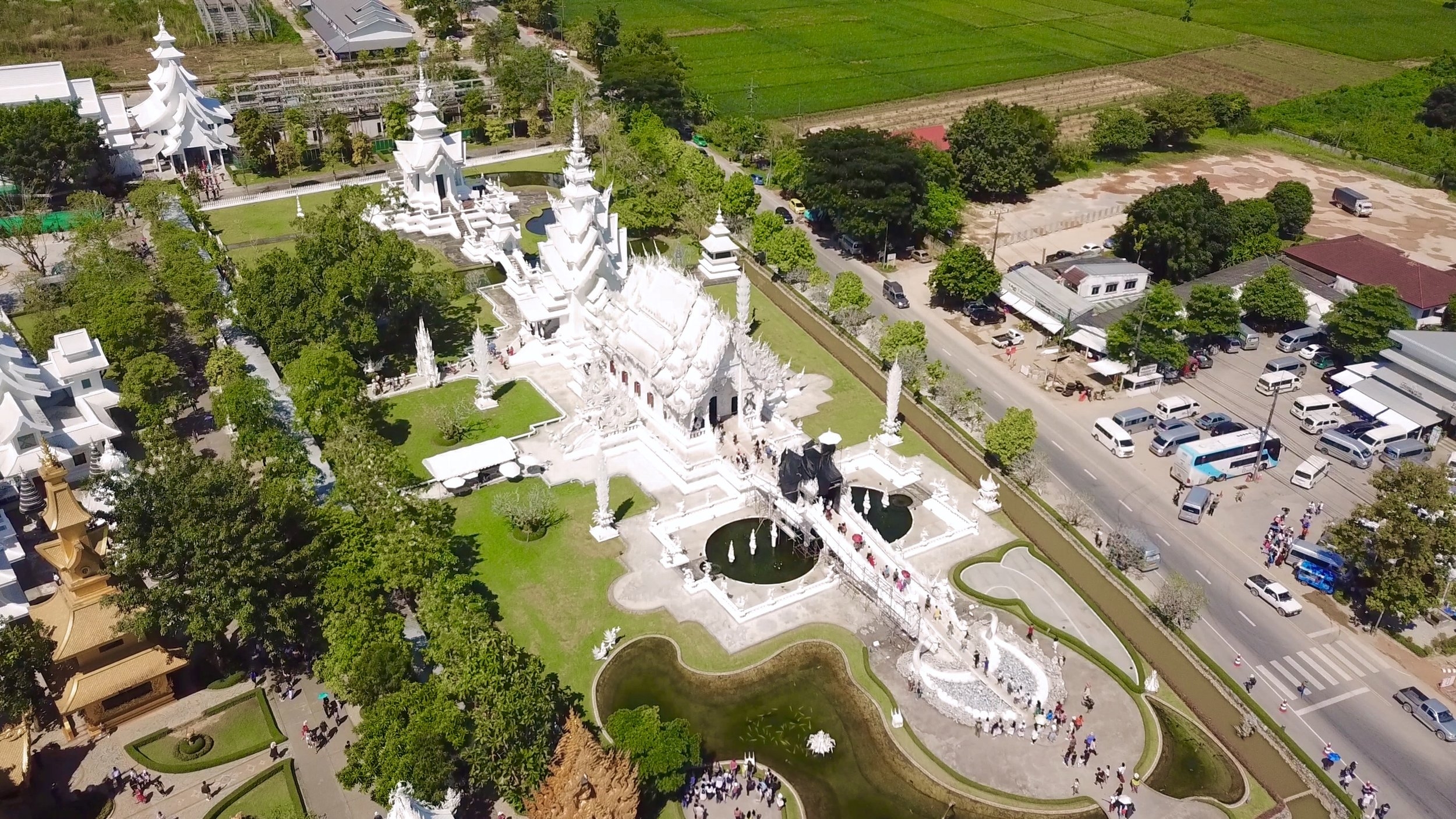
Wat Rong Khun, commonly known as the White Temple, is a Buddhist temple located in Pa O Don Chai, Mueang District, Chiang Rai province, Thailand. Situated just outside the city of Chiang Rai, the temple draws a significant number of visitors from both Thailand and abroad, making it one of the area's most popular attractions. The White Temple was designed, constructed, and opened to the public in 1997 by national artist Chalermchai Kositpipat.
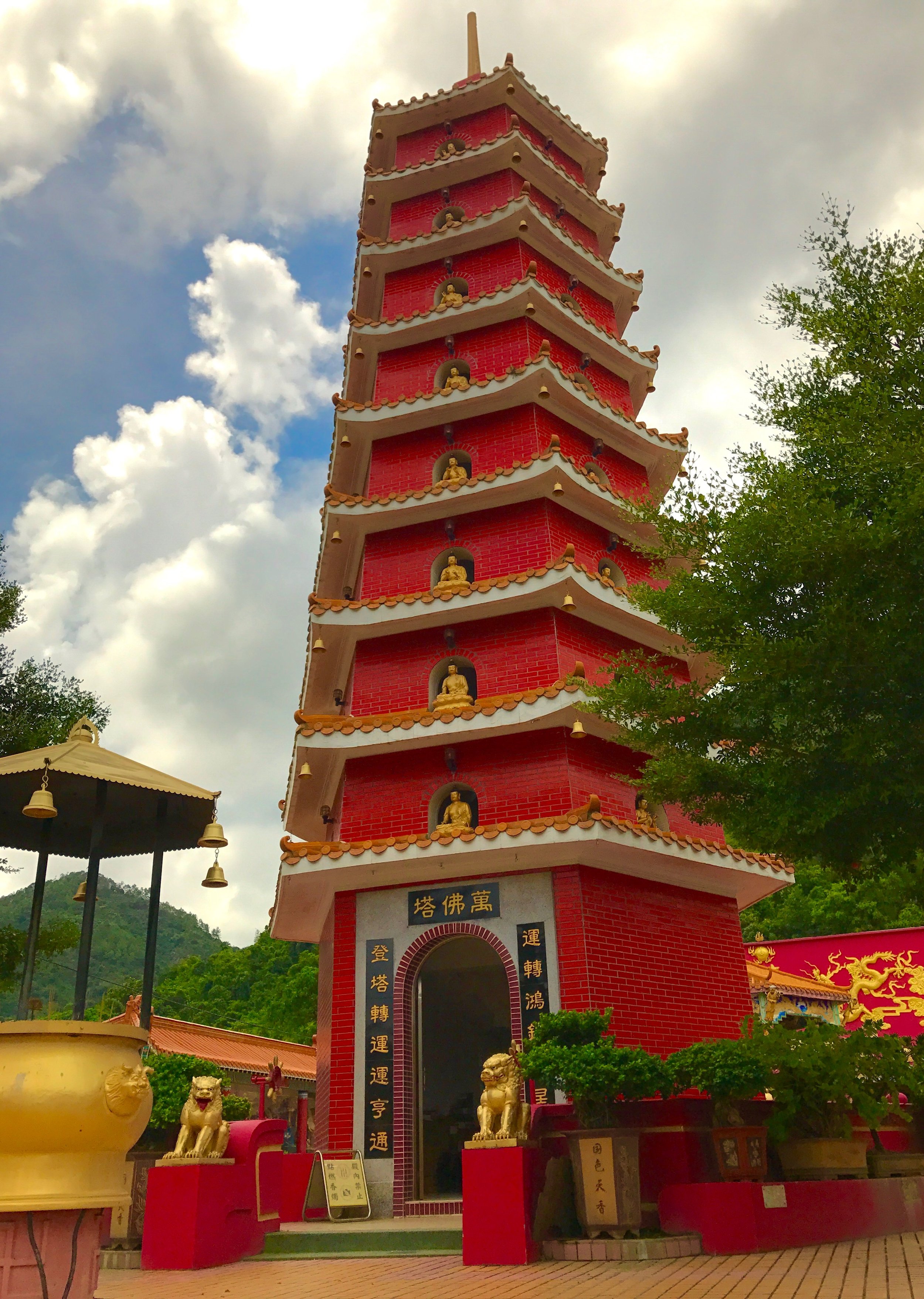
The nine-story pagoda located in Shatin, Hong Kong, is a distinctive feature of the Ten Thousand Buddhas Monastery. Each level of the pagoda displays images of Buddhas, contributing to its unique architectural and cultural significance.
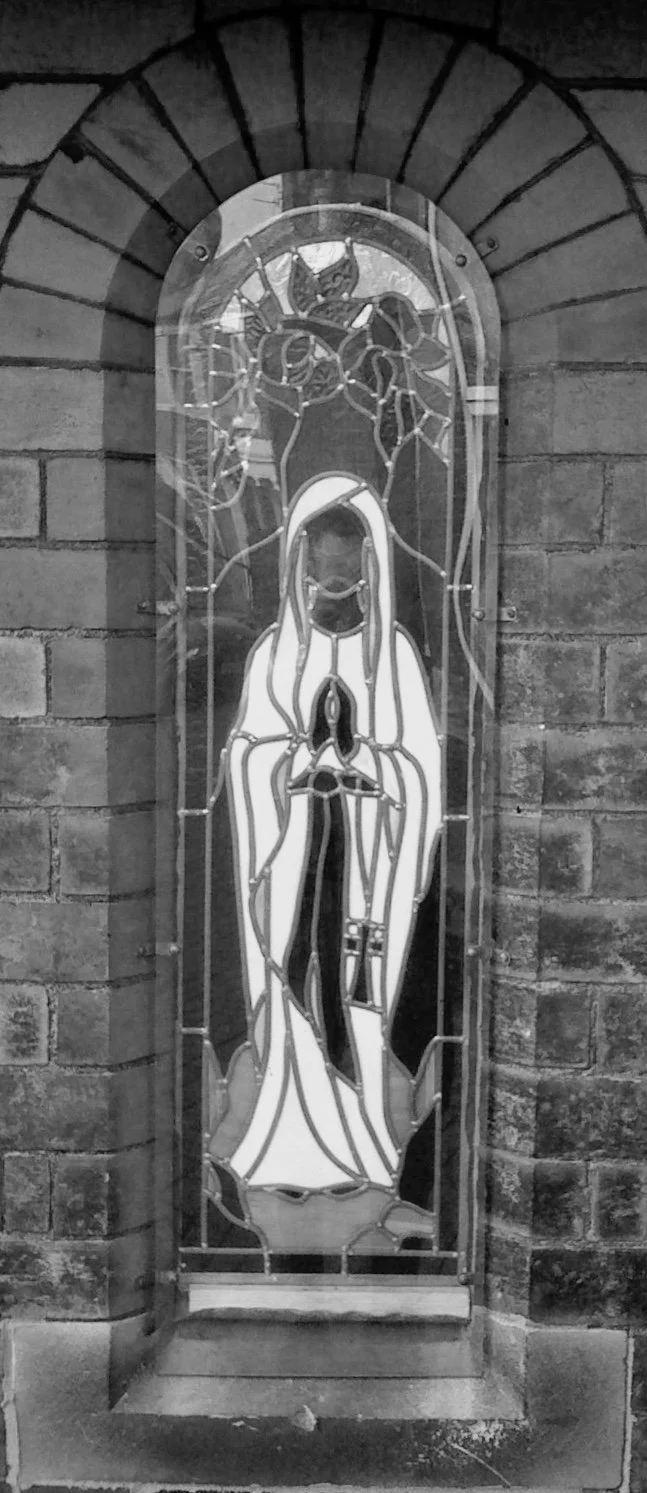
St. Peter & Paul Church in Tyne Dock, South Shields, is a neo-Romanesque Catholic church constructed in the early 20th century, notable for its distinguished interior artwork. This principal Virgin Mary window was donated by a local family in memory of their daughter, Sydney, who passed away at ten months old. Additionally, the church houses historic stained glass, including remnants from the original St. Mary's Hospital/Convent—some estimated to be over 130 years old—which were incorporated into its design.
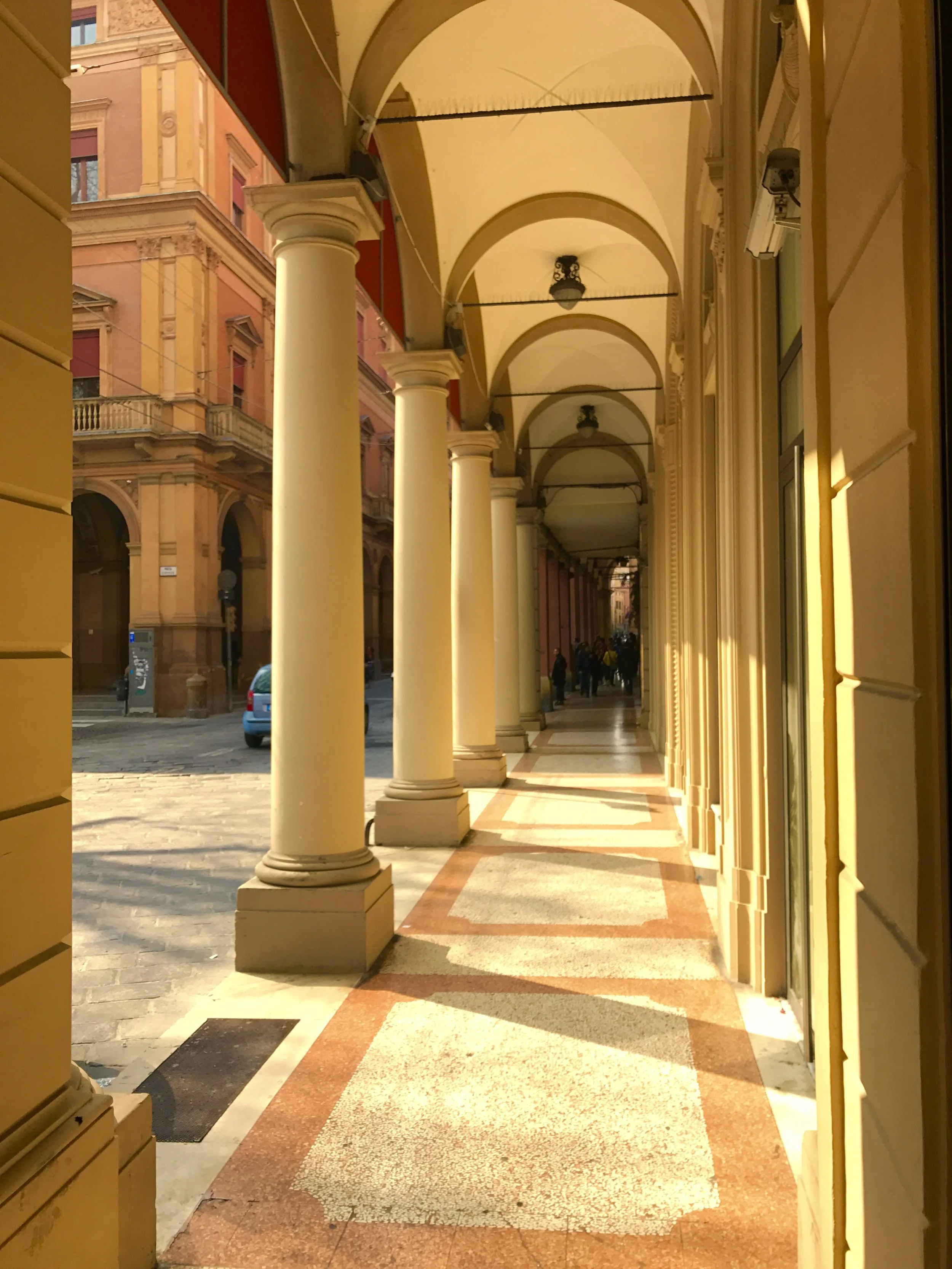
These are a significant element of the cultural and architectural heritage of Bologna, Italy, and serve as an iconic symbol of the city alongside its many towers. No other city in the world possesses as many porticoes as Bologna; collectively, they extend over 38 kilometres (24 mi) within the historic centre, and this figure increases to 53 kilometres (33 mi) when including those outside the medieval city walls.
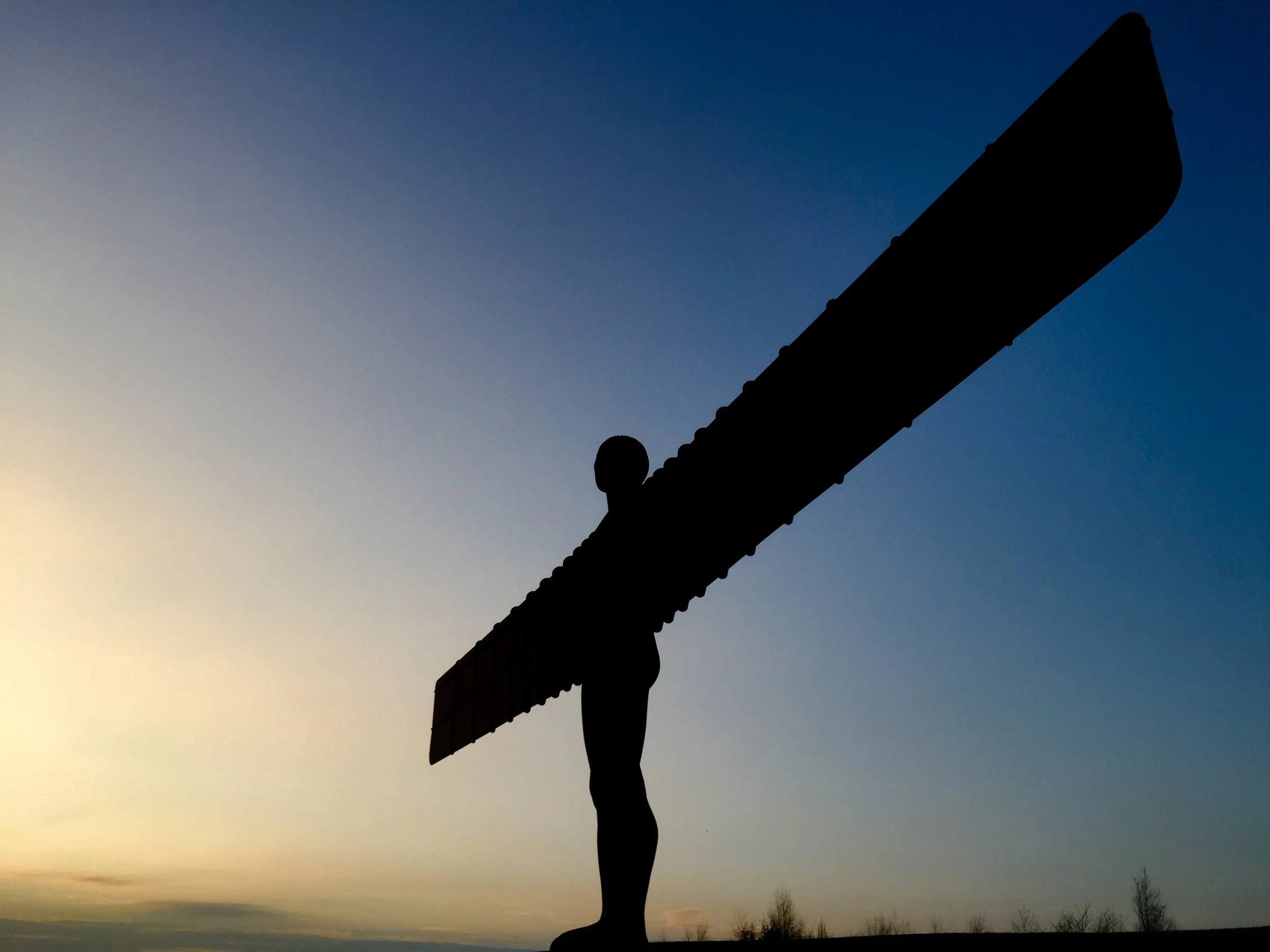
A contemporary sculpture created by Antony Gormley and situated in Gateshead, Tyne and Wear, England. Completed in 1998, this landmark is viewed by approximately 33 million people annually, owing to its location near the A1 and A167 roads as well as the East Coast Main Line.
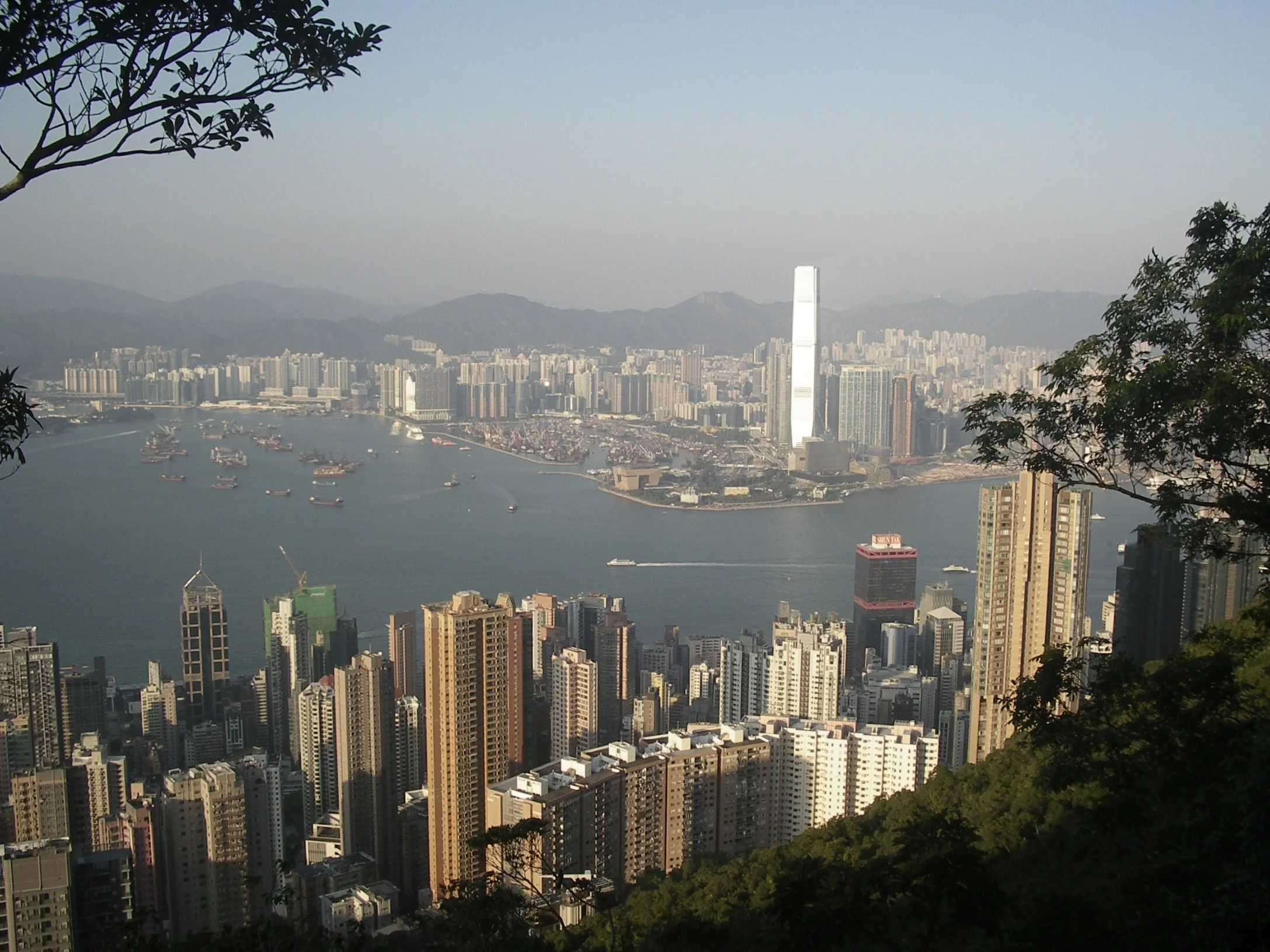
This image presents the renowned panoramic vista of the Hong Kong skyline and Victoria Harbour, photographed from the Lugard Road Lookout at Victoria Peak.
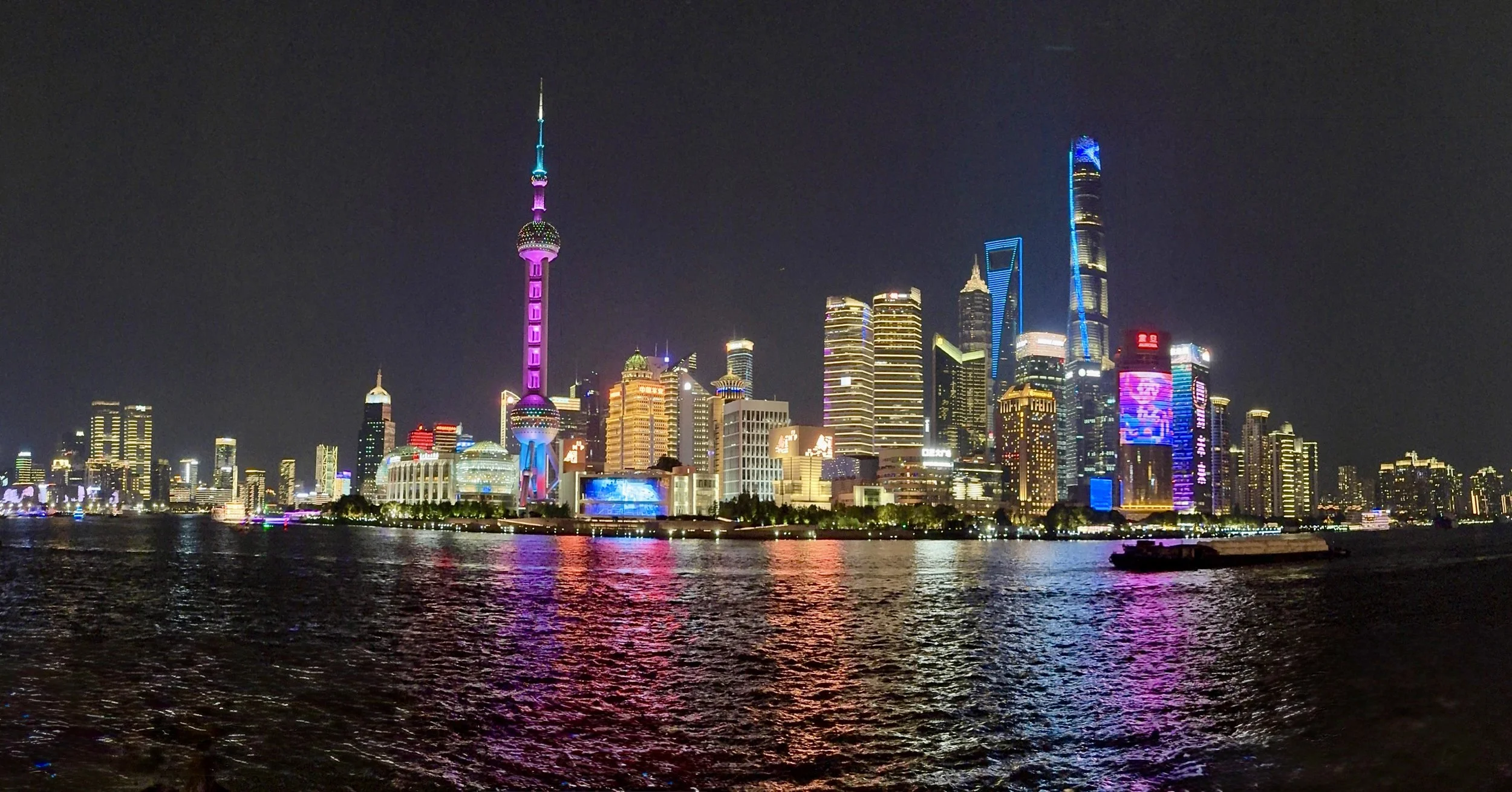
The Bund is a prominent waterfront district and designated historical area located in central Shanghai. It is situated along Zhongshan Road within the boundaries of the former Shanghai International Settlement, extending on the western bank of the Huangpu River in eastern Huangpu.
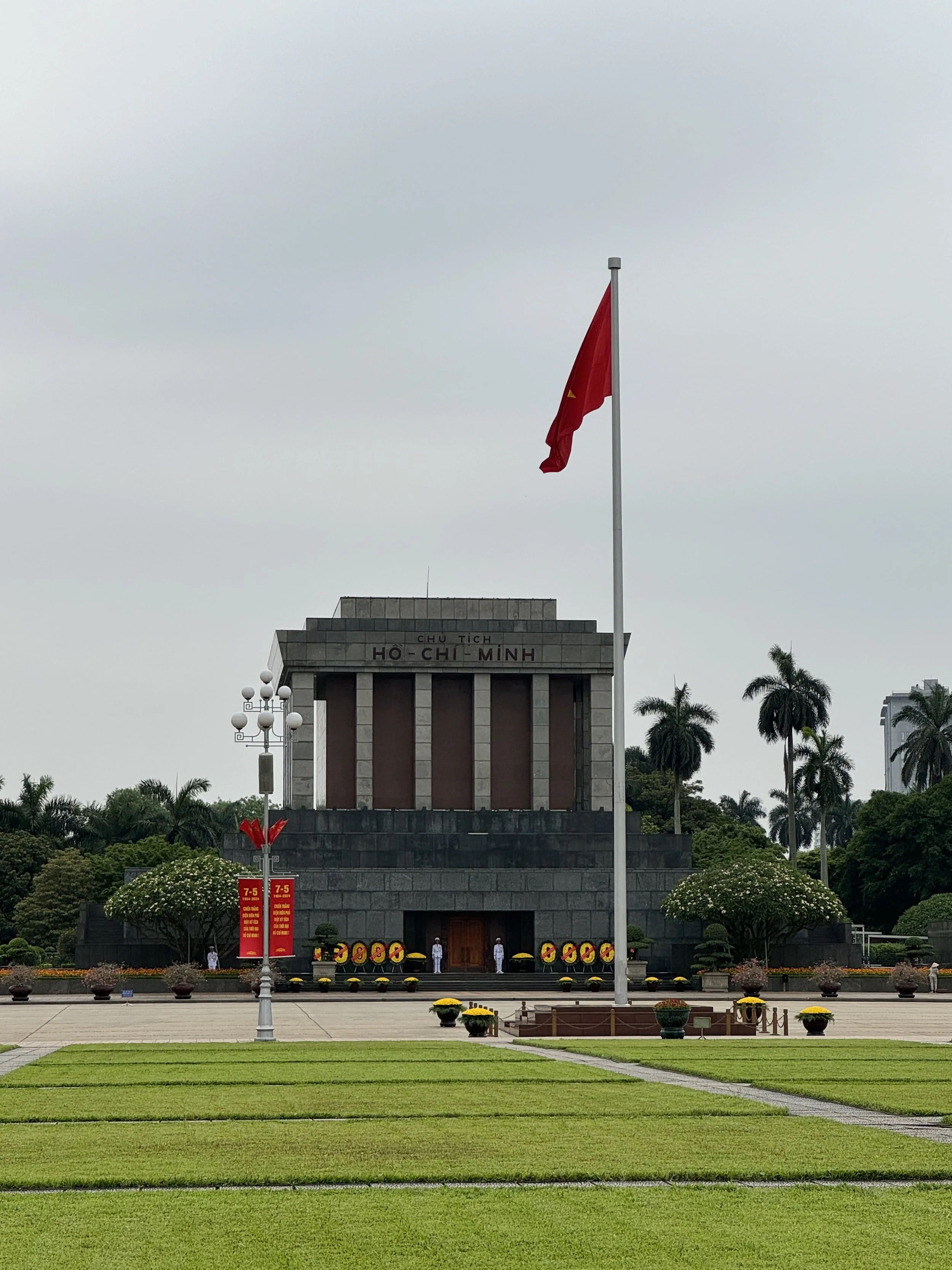
This the final resting place of President Ho Chi Minh in Hanoi, Vietnam. Located in Ba Đình Square, where he declared independence on September 2, 1945, the mausoleum commemorates the leader who served as Chairman of the Workers' Party of Vietnam until his death in 1969.
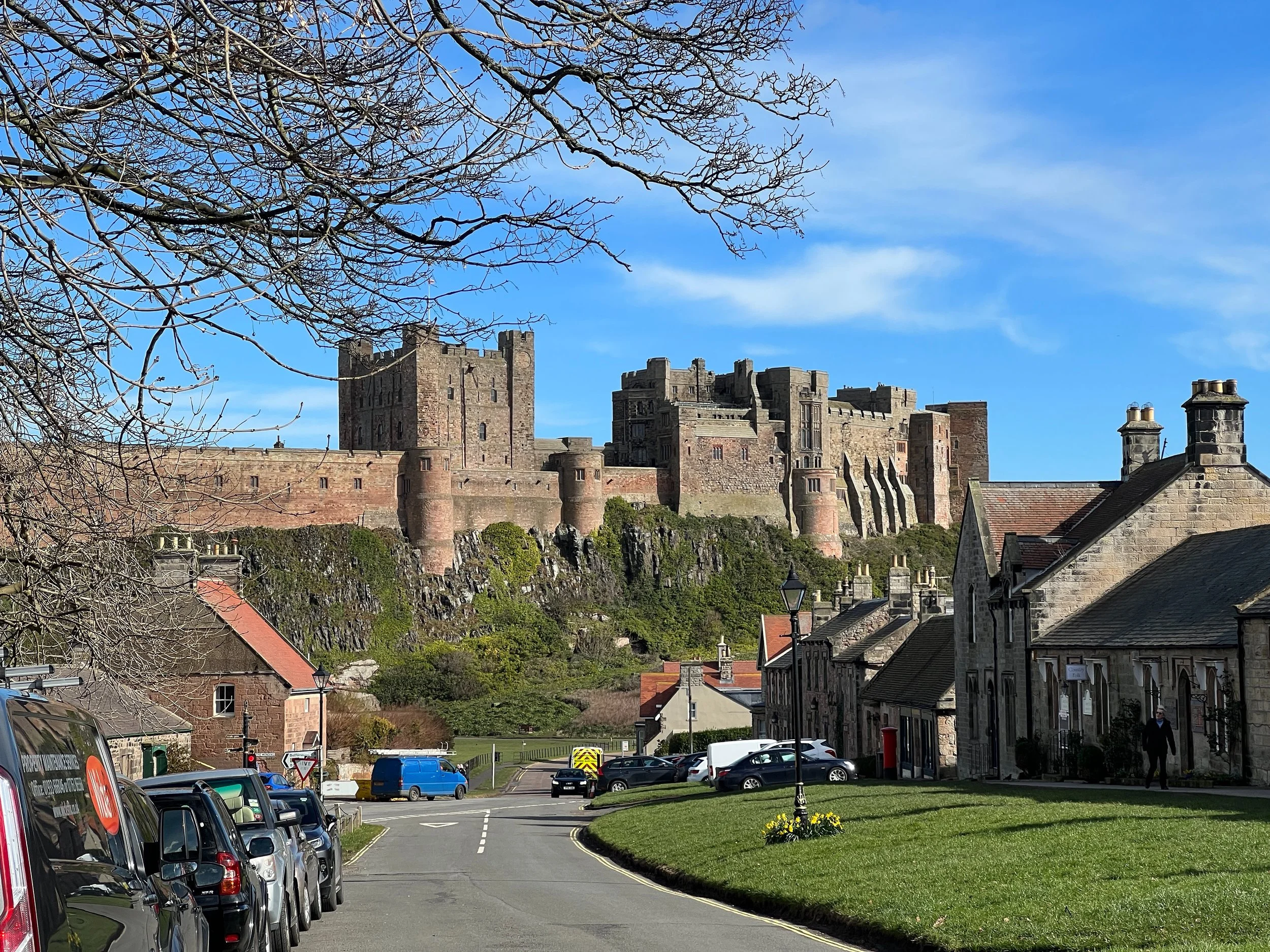
Situated along the northeast coast of England near the village of Bamburgh in Northumberland, is designated as a Grade I listed building. The site was originally occupied by a Celtic Brittonic fort known as Din Guarie, which is believed to have served as the capital of the kingdom of Bernicia from approximately 420 to 547.
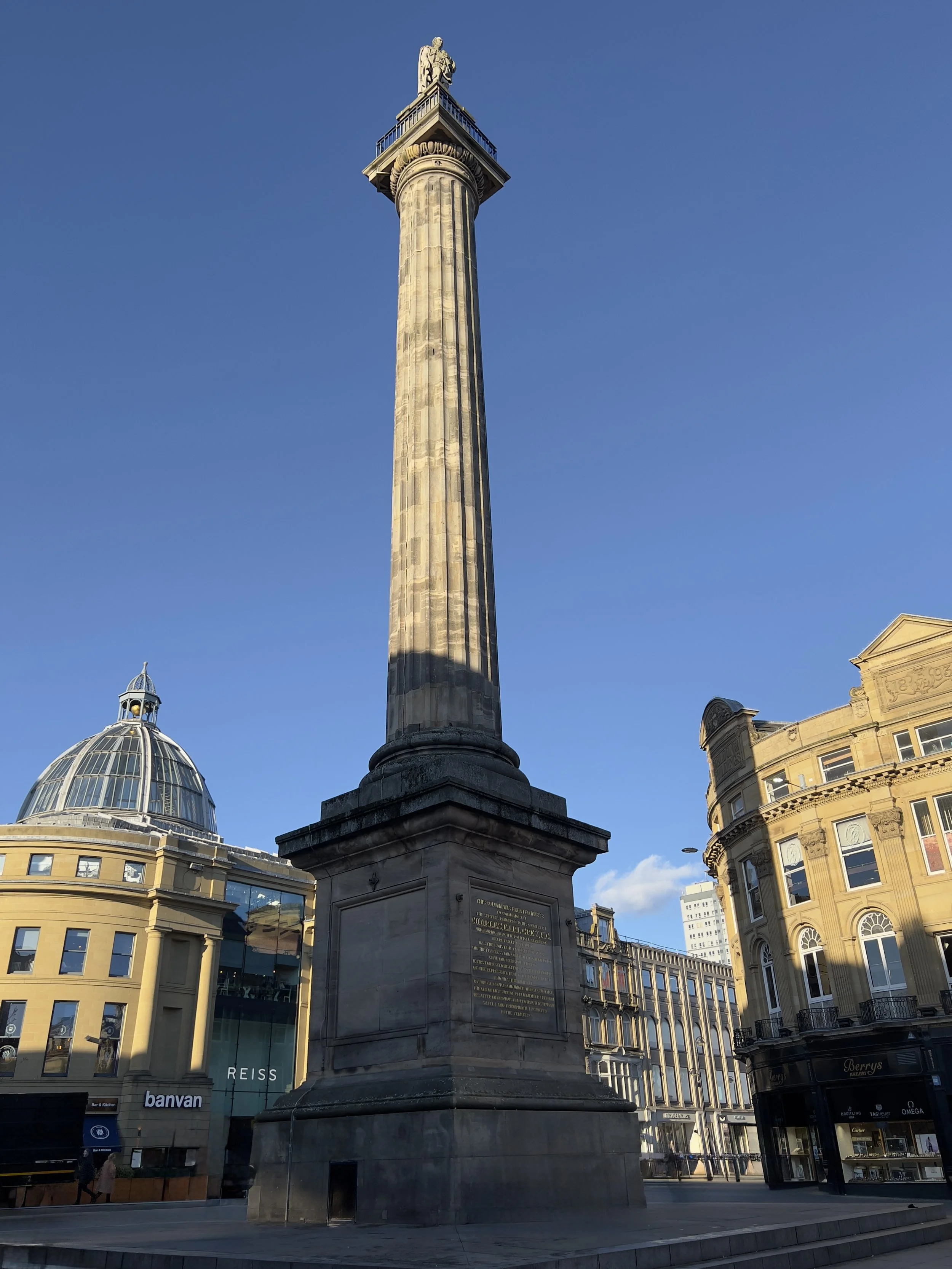
Located at the heart of Newcastle upon Tyne, England, is designated as a Grade I-listed structure. Erected in 1838, it commemorates Charles Grey, 2nd Earl Grey, who served as Prime Minister of the United Kingdom from 1830 to 1834.
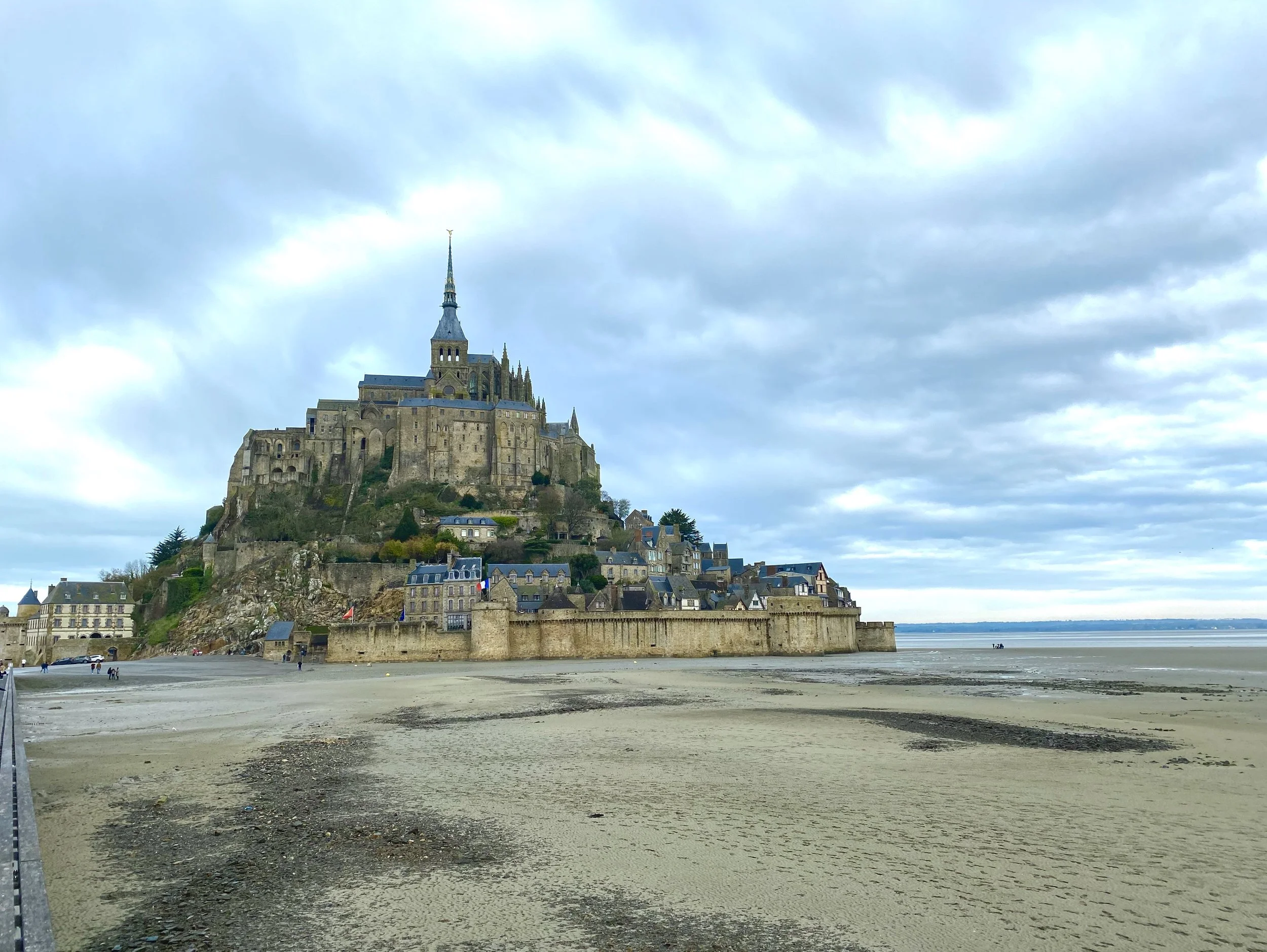
A tidal island and commune in Normandy, France. Located about one kilometre from the north-western coast at the mouth of the Couesnon River near Avranches, the island covers 7 hectares (17 acres), while the entire commune spans 400 hectares (990 acres). As of 2019, the island's population was 29.
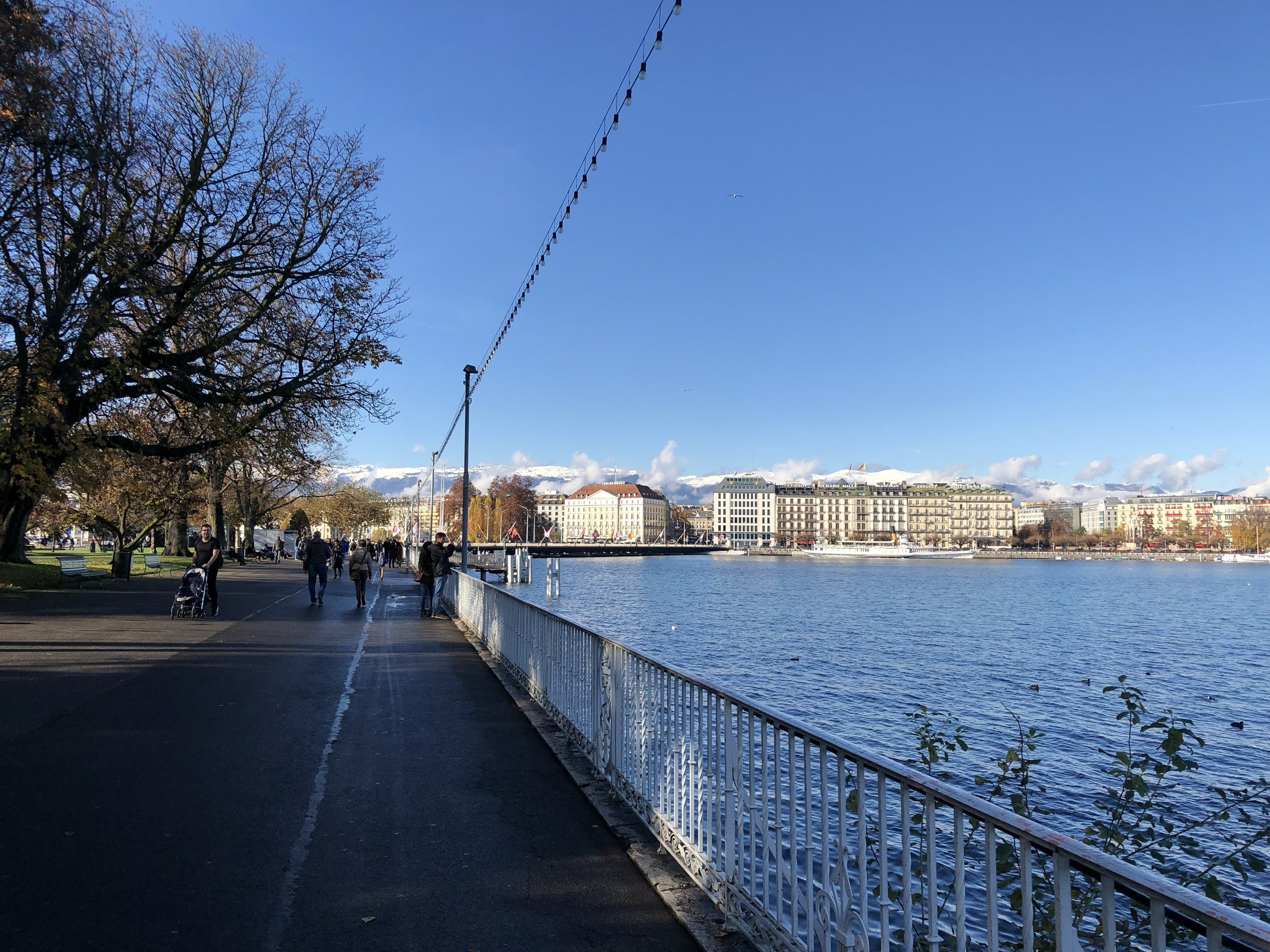
The promenade along Lake Geneva in Geneva, Switzerland, is situated within one of the city's distinguished lakeside areas, including the Quai Gustave-Ador, the Jardin Anglais, or the Bains des Pâquis.
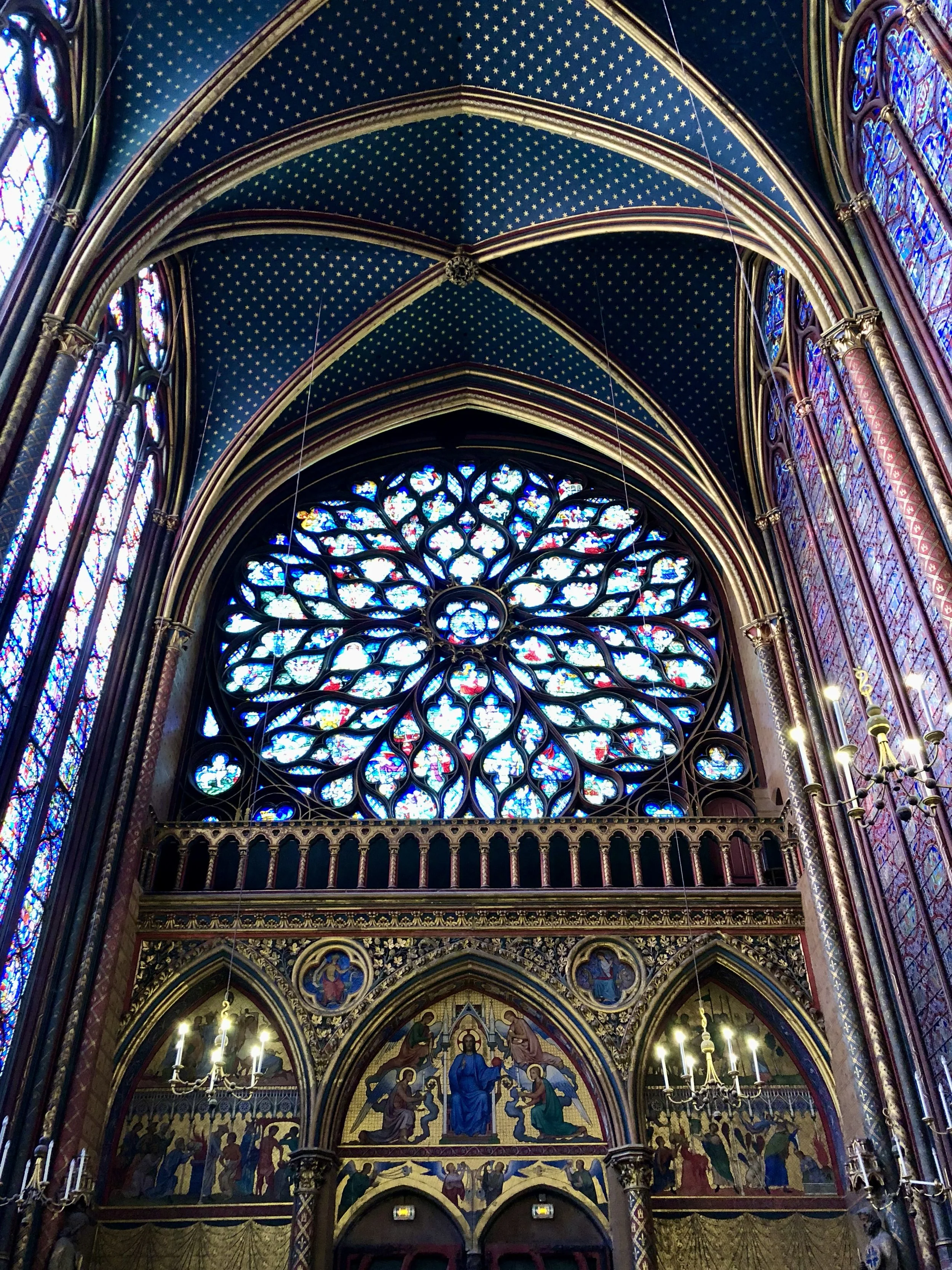
A distinguished example of Rayonnant Gothic architecture from the 13th century. Commissioned by King Louis IX for the purpose of preserving significant religious relics, including the Crown of Thorns, it is especially noted for its upper chapel. This chapel contains fifteen extensive stained-glass windows, each reaching 15 meters in height and illustrating more than 1,100 biblical scenes, resulting in an impressive "wall of light" effect.
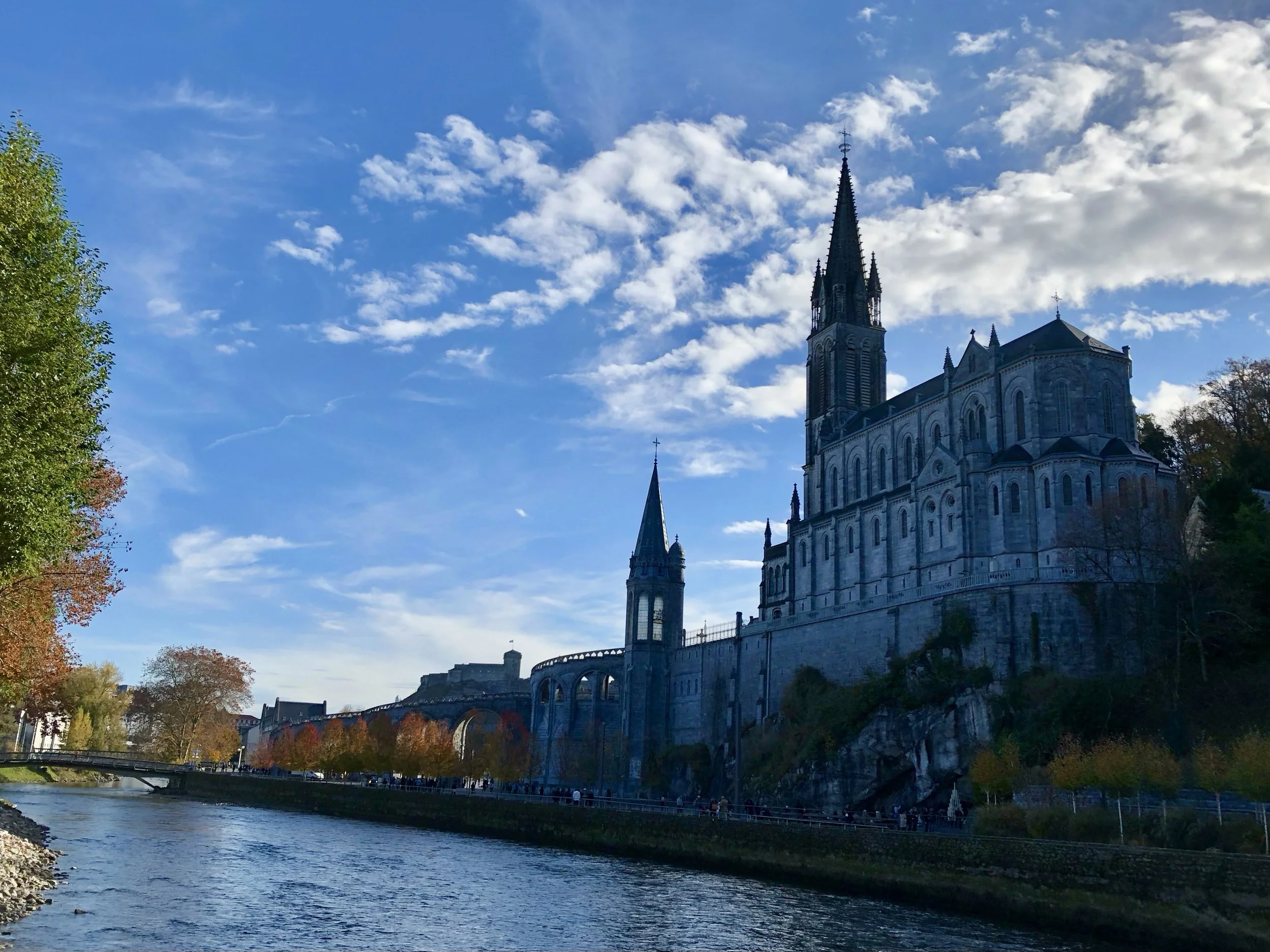
A major Catholic pilgrimage site covering 52 hectares. Centred around the Grotto of Massabielle, where apparitions were reported by St. Bernadette in 1858, it features three basilicas and attracts millions each year for spiritual healing, especially via its spring water.
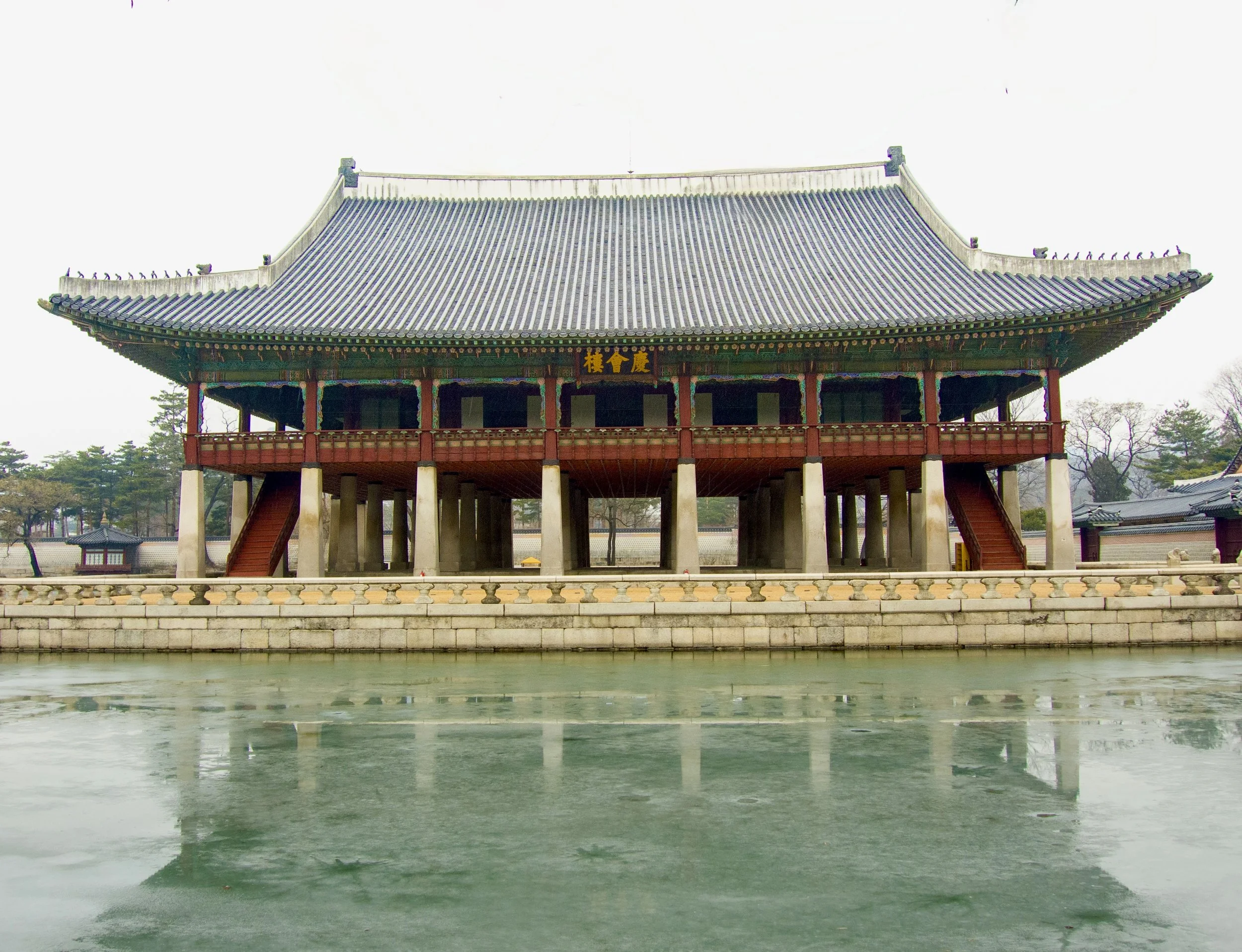
The Gyeonghoeru Pavilion, a notable 14th-century two-story banquet hall, is situated on an artificial lake within the Gyeongbokgung Palace complex in Seoul. Reconstructed in 1867, this wooden pavilion is supported by 48 stone pillars and serves as a symbol of the relationship between nature and the monarchy. Historically, it was designated for significant state functions.
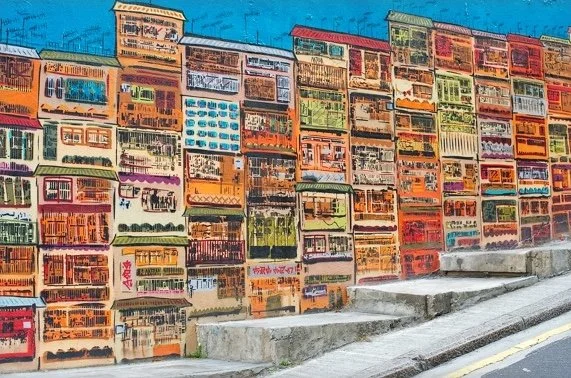
This image features the renowned "Old Town Central" mural situated on Graham Street in Hong Kong. The artwork portrays a vibrant array of traditional “tong lau” tenement buildings, reflecting the architectural heritage of historical Hong Kong.
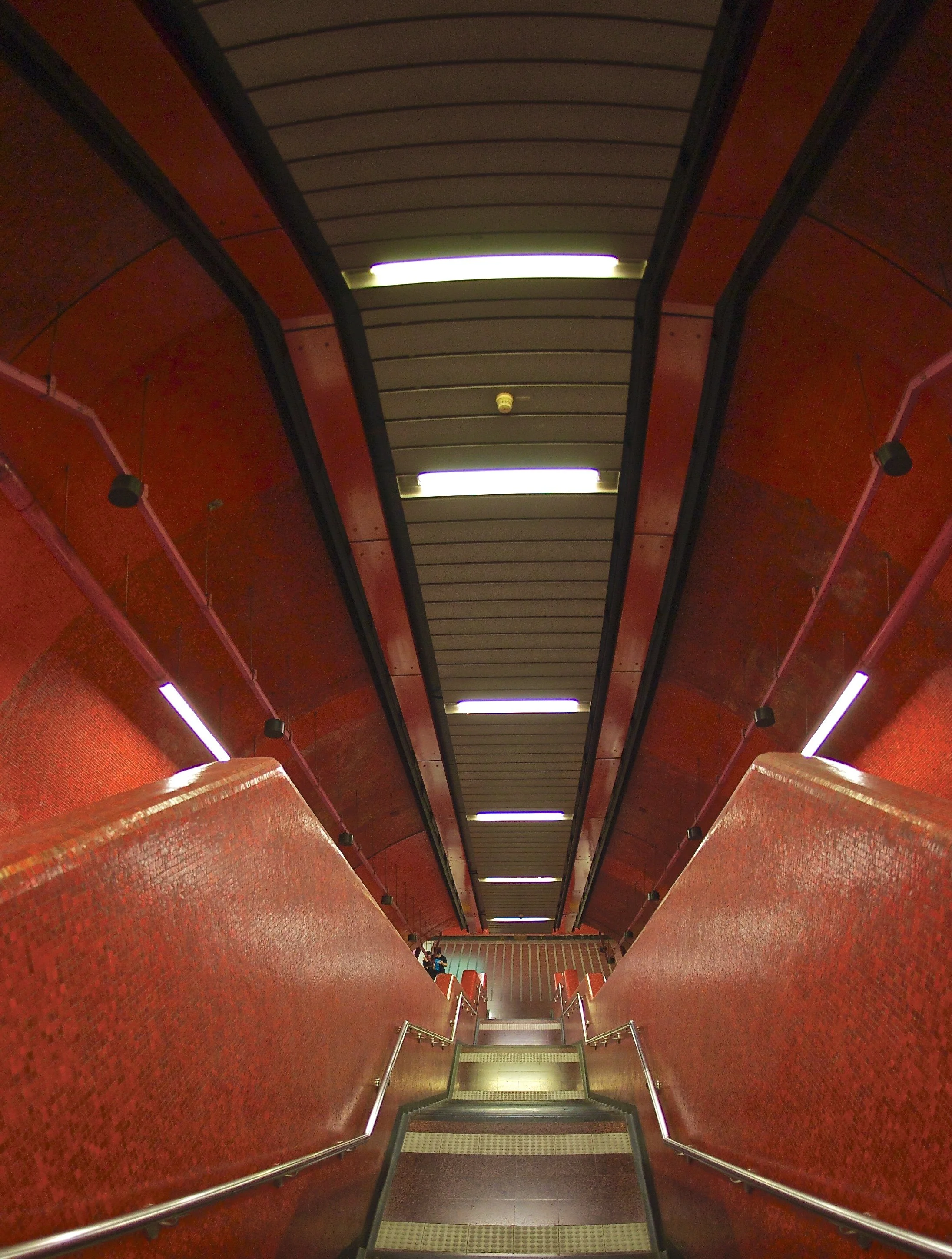
Tai Koo MTR station on the Island Line offers direct access to Cityplaza, Hong Kong Island's largest mall. It is also the nearest stop to Quarry Bay's “Monster Building” and features distinctive hanging stainless steel "rocks" art.